
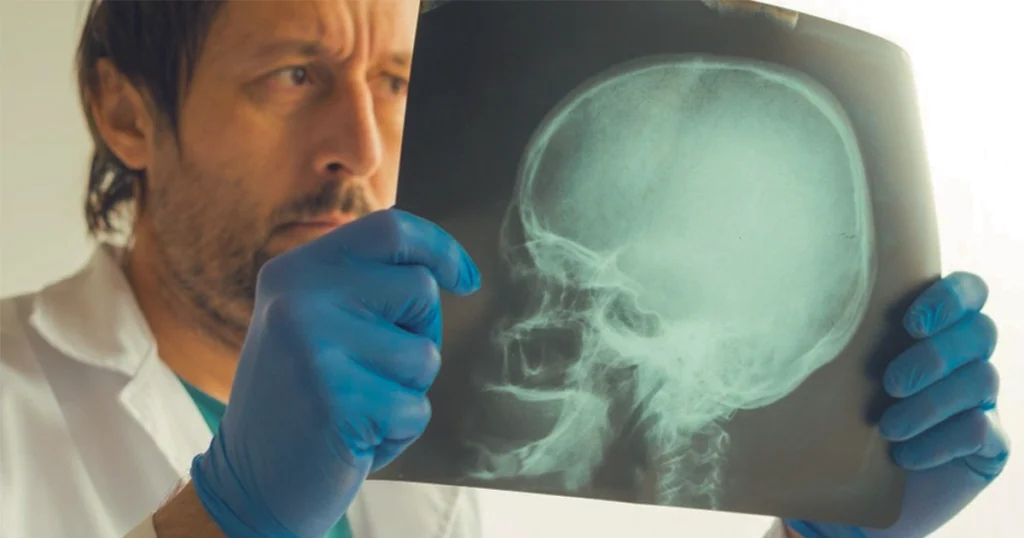
A skull fracture is a serious injury that can have profound legal and medical consequences. While not every skull fracture leads to death, it can cause life-threatening complications such as brain swelling, internal bleeding, or nerve damage. If you or a loved one has experienced a skull fracture, consulting our personal injury lawyers in Houston is critical to understanding your rights and ensuring you receive the compensation you deserve. In this post, we’ll explore the severity of skull fractures, the importance of proper documentation for legal claims, and how legal counsel can assist clients in pursuing damages for their injuries.
Legalities & Recovery Process
In Texas, there are specific laws that directly impact skull fracture claims and timelines:
- Under Texas Civil Practice & Remedies Code §16.003, most personal injury lawsuits must be filed within two years of the injury
- Under Texas Civil Practice & Remedies Code §16.001, the statute of limitations can be extended (“tolled”) for minors or legally incapacitated victims:
- Under Texas Civil Practice & Remedies Code §33.001, Texas follows a 50% modified comparative fault system: victims can recover compensation only if they are 50% or less at fault for the incident.
Skull fractures caused by someone else’s negligence are often the basis for personal injury claims. These claims can seek compensation for medical expenses, lost wages, pain and suffering, and emotional distress. The key legal considerations include:
- Establishing Liability: It is crucial to prove that the injury was caused by the negligence or recklessness of another party, such as in a car accident or workplace incident.
- Collaborating with Medical Experts: Medical experts can provide crucial testimony regarding the severity of the injury, the treatment required, and the long-term effects on the client’s health.
- Calculating Full Damages: Personal injury attorneys must account for not just immediate medical expenses, but also future care needs, lost earning potential, and the emotional toll the injury has taken.
- Pursuing Non-Economic Damages: In addition to compensating for tangible costs, attorneys must also seek damages for pain and suffering, emotional distress, and the loss of quality of life.
The Seriousness of Skull Fractures
A skull fracture, though often appearing minor, can have far-reaching consequences. The brain is protected by the skull, but when that barrier is compromised, even a seemingly small crack can lead to:
- Brain hemorrhaging: Bleeding inside the skull can increase pressure on the brain, leading to irreversible damage or death.
- Swelling: Brain swelling is a critical concern that can affect cognition, motor skills, and overall brain function.
- Long-term cognitive and motor impairments: Victims may face permanent memory loss, difficulty with physical coordination, or changes in behavior.
Causes of Skull Fractures in Personal Injury Cases
Skull fractures can occur in a variety of situations, many of which involve third-party negligence. Understanding the causes is vital for building a case:
- Car Accidents: Even with modern safety features, the force of a collision can cause significant skull fractures. These cases often involve issues of liability and insurance claims.
- Slip-and-Fall Injuries: Falls on wet surfaces, staircases, or other hazardous conditions can lead to serious head trauma. Premises liability claims may be pursued if the injury occurred on someone else’s property due to negligence.
- Workplace Accidents: Industrial and construction sites are high-risk environments. Falling objects, machinery accidents, or unsafe working conditions can result in skull fractures, often leading to workers’ compensation or third-party liability claims.
- Physical Assaults: Blunt force trauma to the head, whether from an assault or other forms of violence, can cause skull fractures and may lead to criminal and civil actions.
- Sports Injuries: High-impact sports such as football or cycling can result in skull fractures. Legal action may involve considerations of equipment safety or negligence in managing risks.
Documenting Symptoms After a Skull Fracture
Proper documentation is essential in establishing the severity of the injury and linking it to the accident. The more thorough the records, the stronger the personal injury claim will be. Key documentation steps include:
- Symptom Journal:
Clients should track the frequency, intensity, and progression of symptoms such as headaches, dizziness, memory loss, or any changes in behavior. This journal should include dates and times to provide a clear timeline of the injury’s impact.
- Photographs of Visible Injuries:
If the injury results in visible bruising, swelling, or cuts, photographs can serve as strong evidence of the physical trauma sustained.
- Medical Records:
Every medical visit, test, or treatment should be documented. These records are essential to proving the extent of the injury and its impact on the client’s life.
- Daily Limitations:
Clients should note any limitations they face in their daily activities, such as work, exercise, or household tasks. These records will help show how the injury has affected their quality of life.
- Witness Statements:
If family members, coworkers, or other individuals have observed symptoms or changes in behavior, their statements can further support the claim.
Considerations for Legal Claims
The treatment and recovery process for skull fractures can be long and complicated. Understanding the recovery timeline and documenting all stages of care is essential for maximizing a client’s compensation:
- Mild Fractures: Often managed with rest and monitoring, mild fractures still require documentation of medical visits and potential complications, which can strengthen the client’s case for damages.
- Severe Fractures: These often require surgery, hospitalization, and long-term care. Detailed records of surgeries, hospital stays, and recovery timelines are critical in establishing the full extent of the injury and the associated costs.
- Rehabilitation: Many clients will need physical, cognitive, or occupational therapy to regain lost functions. Therapy records are essential in demonstrating the long-term impact of the injury.
- Ongoing Care: Some skull fractures result in permanent impairments. Clients may need long-term care, including assistance with daily activities. Ongoing medical needs should be documented to ensure future care costs are included in the settlement.
Protect Your Rights with Romero Injury
A skull fracture is not just a medical concern; it can have serious legal and financial consequences. If your injury was caused by a car accident, workplace incident, or someone else’s negligence, contacting an experienced personal injury attorney is essential. Romero Injury Law provides comprehensive legal support to help you pursue the compensation you deserve and protect your future.
At Romero Injury Law, we specialize in helping victims of skull fractures navigate the complex legal process. If your client has sustained a skull fracture due to negligence, it’s crucial to act quickly to ensure that all medical and legal documentation is properly handled.