
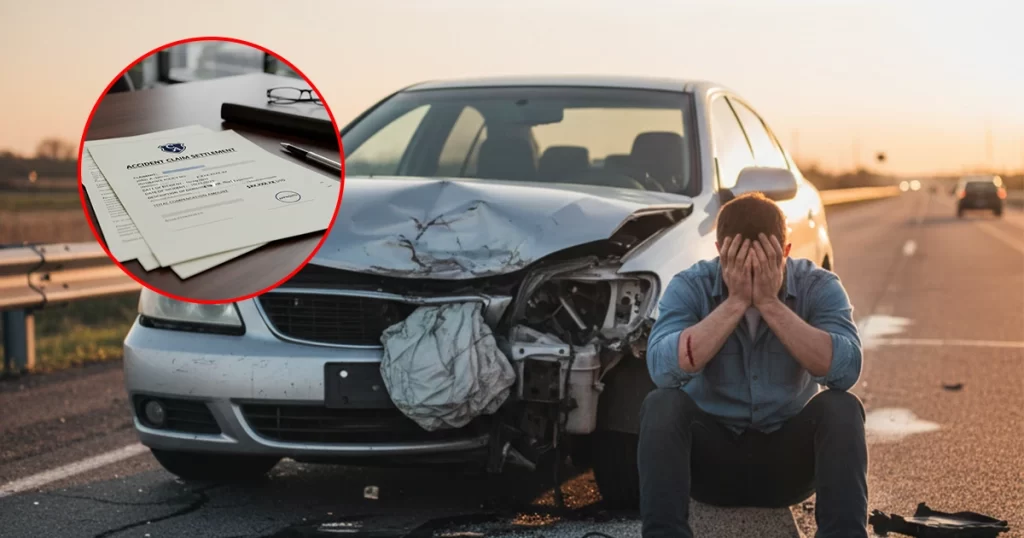
Car accidents can leave lasting scars that aren’t visible. Anxiety, panic attacks, sleepless nights, and even PTSD can turn everyday life into a constant struggle, affecting work, relationships, and overall well-being. Even when physical injuries are minor or absent, the emotional impact is real, and it deserves attention.
The good news is that anxiety after a car accident is recognized as a legitimate injury, and you may be entitled to compensation. A Houston car accident lawyer can help ensure you receive support for medical treatment, therapy, and the broader disruption to your life, helping you recover both emotionally and financially.
Anxiety as a Compensable Injury
Psychological injuries are treated as non-economic damages under Texas law, which means the emotional harm you suffer can be compensated even without physical injury.
Texas Law on Mental Anguish
Under the Texas Civil Practice & Remedies Code §41.001(12), mental anguish and emotional distress qualify as non-economic damages. Anxiety after a car accident can fall under this category when symptoms are proven and linked directly to the incident.
To receive compensation, you must show that your anxiety affects your daily life, including sleep, work, relationships, and routines, and that the symptoms stem from the crash, not a separate event.
Time Limits for Claiming Anxiety Compensation
Under the Texas Civil Practice & Remedies Code §16.003, most personal injury claims, including psychological injury claims, must be filed within two years of the accident. Missing the deadline can result in losing the right to compensation, even if your anxiety is severe.
Symptoms of Anxiety After a Car Accident
Anxiety can manifest in physical, mental, and behavioral forms. These symptoms may last weeks, months, or years, depending on their severity and whether treatment is sought. Early recognition helps recovery and strengthens your legal case.
Physical Symptoms
- Breathing difficulties
- Headaches
- Irregular heartbeat
- Chest pain
- Digestive issues
- Loss of appetite
Mental Symptoms
- Persistent worry or fear
- Hypervigilance
- Sleep problems
- Nightmares
- Panic attacks
- Flashbacks
Behavioral Symptoms
- Avoiding driving or travel
- Problems concentrating
- Withdrawal from normal activities
- Difficulty relaxing
- Irritability
Step 1: Confirm a Valid Anxiety Claim
To claim compensation, there must be a clear link between the car accident and your anxiety symptoms. The goal is to demonstrate that the crash caused a recognized psychological injury that affects everyday life.
- Medical evidence: Obtain a diagnosis or treatment notes from a primary care doctor, psychologist, or psychiatrist, showing when symptoms started, how they progressed, and the treatment received.
- Documented impact: Evidence of disruption to work, sleep, daily routines, and relationships. This can include sick notes, HR records, performance reviews, or statements from family members.
- Causal connection: Records and witness statements should show that anxiety began after the accident and is reasonably linked to it, rather than another cause.
In some cases, family members or witnesses who were not physically injured may also claim compensation if they developed significant anxiety after witnessing the accident.
Step 2: Anxiety Compensation
Compensation for anxiety is not one-size-fits-all. The amount awarded depends on the severity of your symptoms, how long they last, and the impact on your daily life and finances. Every case is assessed individually, taking into account both medical evidence and lifestyle disruption. There is no fixed payout for anxiety. The amount depends on:
- Severity of the condition and formal diagnosis
- Duration of symptoms and likely future course
- Impact on work, relationships, and daily life
- Financial losses, including therapy, medication, travel, and lost earnings
Step 3: What Affects Compensation
The amount of compensation depends on more than just a diagnosis. Factors such as symptom severity, duration, and how anxiety affects daily life, work, and relationships are considered. Each claim is assessed individually to ensure the award reflects the real impact of the psychological injury.
- Diagnosis and severity: Detailed clinical notes support credibility and can increase the award.
- Duration of symptoms: Chronic or long-term anxiety typically results in higher compensation than short-lived symptoms.
- Impact on work: Time off, reduced hours, lost income, or inability to perform normal duties increases claim value when supported by employer evidence.
- Impact on daily life and relationships: Loss of routine, reduced enjoyment of hobbies, social withdrawal, and strain on family life show the broader harm caused by the accident.
- Treatment costs: Therapy, medication, travel, and ongoing care are claimable with proper documentation.
Together, these factors ensure that compensation reflects the real-life impact of psychological injuries, not just the fact that a collision occurred.
Step 4: Mistakes That Affect Compensation
Many legitimate anxiety claims are undervalued because of common, avoidable errors. Careful attention to timing, documentation, and professional guidance is essential to protect your claim. By following the right steps, you increase the likelihood that insurers fully recognize the impact of your psychological injury.
- Seek early medical consultation: Record anxiety symptoms as soon as possible to prevent insurers from questioning the link to the accident.
- Maintain thorough records: Therapy notes, prescriptions, symptom diaries, and receipts show both the seriousness and financial impact of your condition.
- Avoid settling too quickly: Early offers often undervalue claims before the long-term impact is known.
- Obtain expert assessments: Reports from psychologists or psychiatrists strengthen the claim and clarify the likely duration and severity of the condition.
Good preparation and timing increase the chances that the full effect of anxiety is reflected in the final settlement or court decision.
Step 5: Legal Support for Anxiety Claims
If anxiety from a car accident is affecting your daily life, work, or relationships, it may be time to take legal action. Consulting a Houston car accident lawyer early ensures your rights are protected, necessary medical evidence is gathered, and your claim reflects the full impact of your psychological injury. Acting promptly also prevents missed deadlines, while professional legal support provides expertise in medical evidence, compensation valuation, and navigating the claims process.
- Seek early advice: A lawyer can guide you on the evidence and documentation needed to support your claim.
- Arrange expert assessments: Psychiatric or psychological evaluations provide strong proof of the severity and impact of your anxiety.
- Collect and organize evidence: Medical, work, and financial records are compiled into a consistent case.
- Translate suffering into legal terms: Emotional distress and lifestyle changes are presented in a way insurers and Texas courts understand.
- Negotiate and advise: Lawyers respond to low offers, negotiate with insurers, and advise on accepting or rejecting settlements.
- Manage the process: attorneys handle all paperwork, limitation dates, and court procedures, reducing stress and risk of undervaluation.
- Ensure fair compensation: Professional support helps make sure your claim reflects the true impact of your anxiety.
- Protect your rights: Acting promptly with legal guidance prevents missed deadlines and strengthens your case.
By combining early action with expert legal support, you maximize your chances of a fair and comprehensive compensation award.
Take Action for Your Anxiety Compensation
If anxiety from a car accident is affecting your daily life, work, or relationships, it’s important to seek professional guidance as soon as possible. Consulting a qualified personal injury attorney can help you understand your rights, gather the necessary medical evidence, and ensure your claim reflects the full impact of your psychological injury.
Acting early also helps prevent missed deadlines and strengthens your case. The Law Office of Keivan S. Romero can manage communications with insurers, provide expert advice on fair compensation, and support you throughout the claims process, giving you the best chance of receiving the support and settlement you deserve.