
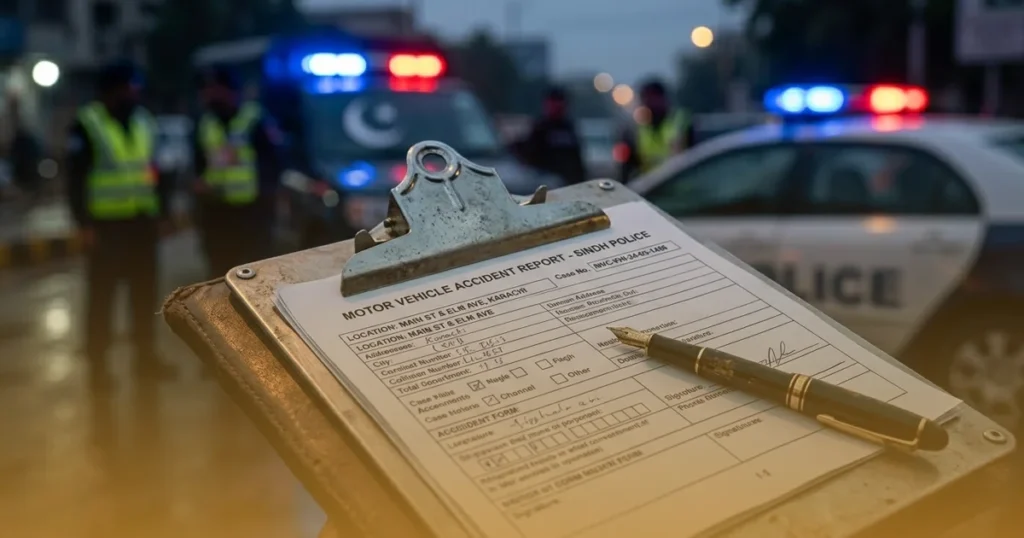
Fatal car accidents are devastating, leaving families in shock and searching for answers. In Houston, the process of investigating fatal car accidents is detailed and methodical, aiming to uncover what caused the accident, who is at fault, and how justice can be served. A Houston car accident lawyer understands the complexity of such investigations and offers compassionate legal support to victims’ families every step of the way.
In this blog, we’ll explore how fatal car accident investigations work in Houston, Texas, and why understanding the process is vital for pursuing justice. Whether you’re a victim of a car accident or a loved one seeking answers, this information will guide you through the legal journey that follows.
Car Accident Investigation: Step by Step
When a fatal car accident occurs in Houston, the investigation process is crucial for determining the cause of the crash, identifying responsible parties, and building a case for compensation or legal action. Our Houston lawyer explains how law enforcement and legal professionals investigate fatal accidents in Houston, following procedures consistent with Texas Transportation Code §550.021 and Texas Penal Code §49.04 when applicable (DUI-related fatalities).
Preservation of the Accident Scene
The first step in any fatal car accident investigation is securing the scene. Law enforcement officers immediately respond to the accident site and work to preserve the area, ensuring that key evidence remains intact. This includes:
- Tire marks, vehicle debris, and vehicle positioning all help investigators reconstruct the events that led to the crash.
- Traffic diversions to prevent further accidents and to allow investigators to safely document the scene.
The preservation of evidence is critical, as it allows experts to analyze the crash dynamics and determine the exact sequence of events, which can be essential under Texas Civil Practice & Remedies Code §71.002 (wrongful death actions).
Collection of Physical Evidence
Investigators gather physical evidence from the crash scene to support their analysis. This can include:
- Broken vehicle parts, such as bumpers or mirrors, might help indicate the point of impact.
- Paint transfer between vehicles, which can offer insight into the angle and force of the collision.
- Weather and road conditions, which are also important in determining if external factors played a role in the accident.
Each piece of evidence is analyzed to piece together the full picture of what happened.
Witness Interviews
Law enforcement officers interview witnesses who were present at the scene. Witnesses could include:
- Other drivers who saw the accident unfold.
- Pedestrians or passengers who observed critical details.
- Individuals with dash cam footage or surveillance videos that captured key moments.
Witness statements can be crucial for supporting claims under Texas Civil Practice & Remedies Code §33.004 (comparative negligence).
Analyzing Driver Behavior
Fatal car accidents often result from driver negligence or reckless behavior. Law enforcement will investigate factors like:
- Speeding: Was the driver going too fast for the conditions?
- Distracted driving: Did the driver use a phone or other distractions?
- Driving under the influence (DUI): Was the driver intoxicated? Texas Penal Code §49.04 governs intoxication manslaughter charges.
These behaviors are crucial for determining whether negligence played a role in the accident, which could impact liability and compensation.
The Role of Accident Reconstructionists
To determine the exact cause of a fatal car accident, accident reconstructionists play a critical role. These professionals are experts in using engineering and physics to recreate the accident. Here’s how they contribute:
Vehicle Damage Analysis
Accident reconstructionists meticulously examine the damage to vehicles involved in the crash. They analyze:
- Dents, scratches, and internal damage to understand the impact’s force and direction.
- The vehicle’s speed and trajectory before the crash.
This analysis is essential for determining how the vehicles interacted and what caused the fatal collision.
Simulating the Crash
Using advanced software and engineering principles, reconstructionists simulate the accident in a controlled environment. This simulation helps clarify how the crash unfolded and is often used as evidence in court. It provides a visual representation of the event, showing:
- The speed at which the vehicles were traveling.
- The direction of travel.
- The impact point and how the vehicles collided.
Providing Expert Testimony
In some cases, reconstructionists may testify in court or at settlement hearings. Their findings help establish liability and explain the mechanics of the crash to a jury or judge. This expertise can be vital for families seeking compensation through a wrongful death claim.
What Causes Fatal Car Accidents?
Fatal car accidents can happen for various reasons, and understanding these causes helps families advocate for accountability and safety reforms. Some common causes of fatal accidents in Houston include:
Driver Negligence
Many fatal accidents are caused by reckless driving, including:
- Speeding: Exceeding the speed limit or driving too fast for the conditions is a common cause of crashes.
- Distracted driving: Texting while driving or being distracted by other activities significantly increases the risk of an accident.
- Ignoring traffic laws: Running red lights, failing to yield, or disregarding stop signs can lead to fatal collisions.
Driving Under the Influence (DUI)
DUI is one of the leading causes of fatal accidents. Alcohol and drugs impair critical driving skills, including:
- Judgment: Making poor decisions while driving.
- Focus: Difficulty paying attention to the road.
- Reaction time: Slower responses to hazards or obstacles.
Hazardous Road Conditions
Poor road conditions, such as potholes, icy surfaces, or poorly marked intersections, can create unsafe driving environments. In some cases, these conditions may be the primary factor in a fatal crash, especially if local government agencies fail to address them.
Vehicle Defects
Mechanical failures can also contribute to fatal accidents. Defects such as brake failure or tire blowouts can trigger product liability claims under Texas Civil Practice & Remedies Code §82.003.
How Can a Lawyer Help Me?
In the aftermath of a fatal car accident, hiring an experienced Houston car accident lawyer is crucial. Here’s how an attorney can help:
Gathering Evidence
Your attorney will collect crucial evidence, including accident reports, witness statements, and any available video footage. This evidence forms the basis of your case.
Coordinating with Experts
Your lawyer will work with accident reconstructionists and medical professionals to build a strong case. This collaboration ensures that all factors are thoroughly examined and presented in your favor.
Negotiating with Insurance Companies
Many families struggle to get fair compensation from insurance companies. A skilled lawyer will negotiate on your behalf, ensuring that you aren’t pressured into accepting a low settlement.
Navigating Texas Law
Texas law can be complex, and there are strict timelines and requirements for filing claims. Your attorney will guide you through the process, ensuring that you meet deadlines and follow procedures, including Texas Civil Practice & Remedies Code §§71 and 33.
Contact Romero Injury Law Today
If you or a loved one has been involved in a fatal car accident, it’s important to seek experienced legal help as soon as possible. Our Houston lawyer at the Law Office of Keivan S. Romero is here to provide the guidance, support, and strong representation you need during this difficult time. We are committed to fighting for your rights and helping you pursue the compensation you deserve.