
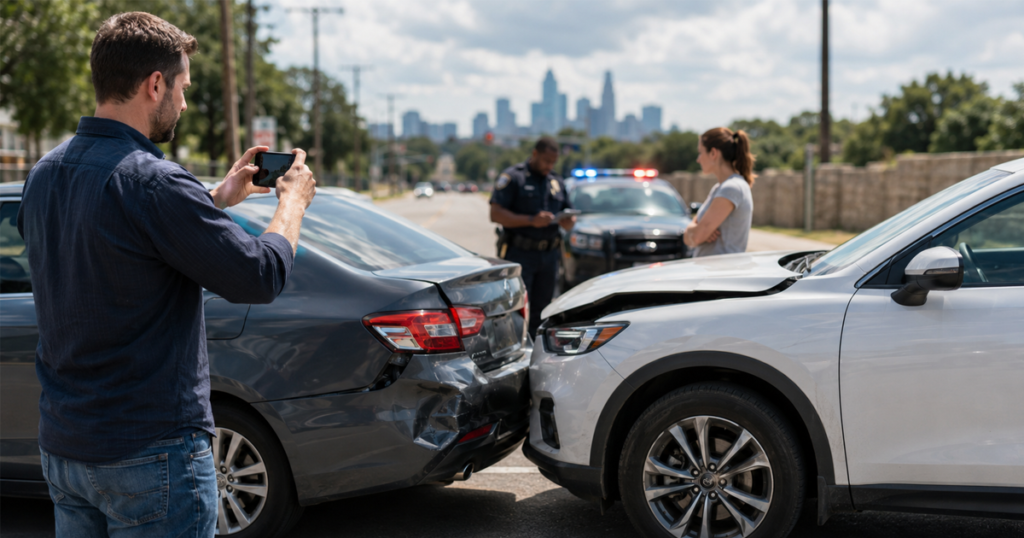
Rear-end collisions are among the most common car accidents in Texas. These accidents often happen in heavy traffic, at intersections, or during sudden stops. Even low-speed rear-end crashes may cause serious injuries, vehicle damage, and insurance disputes. Knowing what steps to take after a rear-end collision can help protect your health, legal rights, and financial interests.
In many situations, speaking with a rear-end accident lawyer may help drivers understand their options for recovering compensation and handling insurance claims after an accident.
Common Causes of Rear-End Collisions in Texas
Rear-end collisions are among the most common types of traffic accidents in Texas and often result from preventable driver behavior. Understanding the main causes can help drivers stay alert and reduce the risk of serious crashes.
- Distracted Driving: Drivers using phones, adjusting navigation systems, eating, or engaging in other distractions may fail to notice slowing traffic ahead. Distracted driving significantly increases the risk of rear-end crashes in busy Texas roadways.
- Speeding: Excessive speed reduces reaction time and increases stopping distance. Drivers traveling too fast may be unable to stop safely when traffic suddenly slows or stops.
- Tailgating: Following another vehicle too closely leaves little room to brake during emergencies. Texas drivers are required to maintain a safe following distance under traffic laws.
- Weather Conditions: Rain, fog, and wet roads can reduce traction and visibility. Poor weather conditions often contribute to rear-end accidents throughout Texas.
- Sudden Stops: Unexpected braking by drivers in front may lead to collisions, especially in congested traffic or highway construction zones.
If you have been injured in a rear-end collision, speaking with a Houston car accident lawyer can help you understand your legal options and pursue fair compensation for your damages.
Common Injuries After Rear-End Accidents
Rear-end accidents can cause a wide range of physical injuries, even during low-speed collisions. The sudden impact often forces the body forward and backward quickly, placing stress on muscles, joints, and the spine.
- Whiplash injuries: Sudden neck movement may strain muscles, ligaments, and soft tissues, causing stiffness, pain, headaches, and limited mobility.
- Back and spinal injuries: Rear-end crashes may lead to herniated discs, lower back pain, spinal misalignment, or nerve-related complications requiring long-term treatment.
- Head injuries: Drivers and passengers may suffer concussions or traumatic brain injuries after striking the steering wheel, dashboard, windows, or headrests.
- Shoulder injuries: Seatbelt pressure and impact force may cause shoulder sprains, muscle tears, or joint injuries during sudden vehicle movement.
- Knee and leg injuries: Knees and legs may hit the dashboard or interior structures, resulting in fractures, bruising, ligament damage, or swelling.
- Chest injuries: The force of airbags and seatbelts may cause chest bruising, rib injuries, or breathing discomfort after the collision.
- Soft tissue injuries: Muscles, tendons, and ligaments throughout the body may become strained or torn due to the sudden impact of the crash.
- Emotional trauma: Some accident victims may experience anxiety, stress, sleep problems, or emotional distress following a serious rear-end accident.
Steps to Take After a Rear-End Collision in Texas
Taking the proper steps after a rear-end collision in Texas can help protect your safety, preserve evidence, and support future insurance or legal claims. Acting quickly and carefully may also reduce complications during the claims process.
Check for Injuries
Immediately check yourself, passengers, and anyone involved in the accident for injuries after the collision. Even if injuries appear minor, some symptoms may take time to develop after the crash. Call emergency medical services right away if anyone is unconscious, bleeding, or complaining of severe pain. Prioritizing medical attention can help prevent injuries from becoming more serious.
Move to a Safe Area
If the vehicles are drivable and it is safe to do so, move them away from active traffic lanes. Relocating to the shoulder or a nearby safe location may help prevent additional accidents or injuries. Turn on hazard lights to alert other drivers about the accident scene. Remaining in a dangerous traffic area may increase risks for everyone involved.
Call the Police
Contact law enforcement after a rear-end collision, especially if the accident caused injuries or significant property damage. Police officers can investigate the crash, speak with drivers and witnesses, and prepare an official accident report. This report may later become important evidence during insurance claims or legal disputes. Cooperating with officers and providing accurate information is important after the accident.
Exchange Information
Drivers involved in the accident should exchange important details before leaving the scene. This includes names, phone numbers, driver’s license numbers, license plate numbers, and insurance information. Accurate information helps insurance companies properly process claims and investigate liability issues. Avoid discussing faults or making accusations during these conversations.
Document the Scene
Take clear photos and videos of the accident scene as soon as possible after the collision occurs. Capture vehicle damage, road conditions, traffic signs, skid marks, visible injuries, and surrounding areas. Detailed evidence may help establish how the accident happened and who was responsible. Proper documentation can also strengthen insurance claims and legal cases later.
Speak to Witnesses
Witnesses may provide valuable information about how the rear-end collision occurred and who may be at fault. Ask nearby drivers, pedestrians, or business employees if they saw the accident happen. Collect their names and contact information in case statements are needed later. Independent witness testimony may support your version of events during investigations.
Seek Medical Attention
Some accident injuries, including whiplash or internal injuries, may not appear immediately after a rear-end collision. Visiting a doctor helps identify hidden injuries and creates medical records connecting your injuries to the accident. Delaying treatment may worsen health conditions and create difficulties during insurance claims. Following medical recommendations may also support your recovery process.
Notify Your Insurance Company
Report the rear-end collision to your insurance company as soon as possible after the accident. Insurance providers often require prompt notification before processing claims or coverage requests. Provide accurate details and supporting documentation related to the crash. Delayed reporting may result in claim disputes or reduced compensation opportunities.
Rear-end collision cases may involve injuries, insurance disputes, and questions about fault after the accident. Taking the correct steps immediately after the crash can help protect your safety, legal rights, and future compensation claim.
Texas Rear-End Collision Laws
Texas rear-end collision laws establish driver responsibilities, fault rules, accident reporting requirements, and financial liability after crashes. Understanding these laws may help drivers protect their legal rights and handle insurance claims more effectively.
- Duty to Maintain Safe Distance: Under Texas Transportation Code Section 545.062, drivers must maintain a safe following distance to avoid collisions when another vehicle slows or stops suddenly. Tailgating is one of the leading causes of rear-end accidents in Texas.
- Duty to Stop and Exchange Information: According to Texas Transportation Code Section 550.023, drivers involved in accidents must provide their name, address, vehicle registration number, and insurance information to others involved in the crash.
- Accidents Involving Injury or Death: Under Texas Transportation Code Section 550.021, drivers involved in accidents causing injury or death must stop immediately, remain at the scene, and provide reasonable assistance to injured individuals.
- Accidents Involving Vehicle Damage: Texas Transportation Code Section 550.022 requires drivers involved in crashes resulting in vehicle damage to stop and exchange information with other parties involved in the accident.
- Reporting Requirements: Texas law may require accident reporting when crashes involve injuries, fatalities, or significant property damage. Drivers should cooperate fully with law enforcement officers during accident investigations.
- Modified Comparative Fault Rule: Texas follows a modified comparative fault system under Texas Civil Practice and Remedies Code Section 33.001. Injured parties may recover compensation if they are less than 51% responsible for the accident, although compensation may be reduced based on their percentage of fault.
- Financial Responsibility Requirements: Under Texas Transportation Code Chapter 601, Texas drivers must maintain minimum auto liability insurance coverage to legally operate vehicles on public roads.
Insurance Issues After a Rear-End Collision
Rear-end collision insurance claims can become complicated when fault, injuries, or vehicle damage are disputed. Insurance companies often investigate accidents carefully before approving compensation or repair payments.
- Fault disputes: Insurance companies may investigate whether the rear driver, sudden braking, or unsafe driving behavior contributed to the accident.
- Delayed injury claims: Some injuries appear hours or days later, and delayed medical treatment may create challenges during the insurance process.
- Vehicle repair disputes: Insurance adjusters may disagree on repair costs, replacement parts, or whether a vehicle should be declared totaled.
- Uninsured drivers: If the at-fault driver has no insurance, uninsured motorist coverage may help pay for medical bills and vehicle damage.
- Low settlement offers: Insurance companies may offer settlements that do not fully cover medical expenses, lost income, or future treatment costs.
- Coverage limitations: Policy limits may affect how much compensation is available for injuries, property damage, or rental vehicle expenses.
- Claim denial risks: Missing documents, inconsistent statements, or delayed reporting may lead to denied insurance claims.
- Medical expense concerns: Ongoing treatments, physical therapy, or specialist care may increase costs and create disputes over reimbursement.
If your claim is being delayed, undervalued, or denied, consulting a motor vehicle accident attorney Houston can help you better understand your rights and pursue the compensation you may be entitled to recover.
How a Rear-End Collision Lawyer Can Help
A rear-end collision lawyer can help accident victims protect their legal rights, handle insurance disputes, and pursue compensation after a crash. Legal support may also reduce stress during the claims and recovery process.
- Case evaluation: A lawyer reviews the accident details, police reports, injuries, and available evidence to determine liability and possible legal options after the collision.
- Accident investigation: Attorneys may gather surveillance footage, witness statements, medical records, and crash evidence to build a stronger insurance claim or legal case.
- Insurance negotiations: Lawyers communicate directly with insurance companies to help prevent unfair settlement offers, delayed claims, or denied compensation.
- Damage calculation: Legal professionals help calculate financial losses such as medical bills, lost income, vehicle repair costs, future treatment expenses, and pain and suffering.
- Medical documentation support: Attorneys use medical records and treatment documentation to connect injuries directly to the rear-end accident and support compensation claims.
- Legal representation: If settlement negotiations fail, lawyers may represent clients during legal proceedings, court hearings, or formal dispute resolution processes.
- Evidence preservation: Early legal involvement may help preserve important evidence before surveillance footage, witness statements, or physical crash evidence becomes unavailable.
- Defense against blame: Lawyers may challenge attempts by insurance companies or opposing parties to unfairly shift fault or reduce compensation amounts.
- Claim filing assistance: Attorneys help ensure legal paperwork, insurance documents, and accident claims are filed correctly and within required deadlines under Texas law.
- Settlement guidance: Lawyers carefully review settlement offers and explain whether compensation fairly covers accident-related damages and future financial losses.
Get Legal Help After a Rear-End Collision in Texas
Rear-end collisions can lead to medical expenses, lost income, vehicle damage, and complicated insurance disputes. Taking the proper steps after an accident may help protect both your health and financial recovery. Legal guidance may also help injured drivers understand Texas accident laws and pursue fair compensation for their losses.
The Law Offices of Keivan S. Romero may assist individuals dealing with rear-end accident claims, insurance negotiations, and legal procedures following Texas car accidents.