
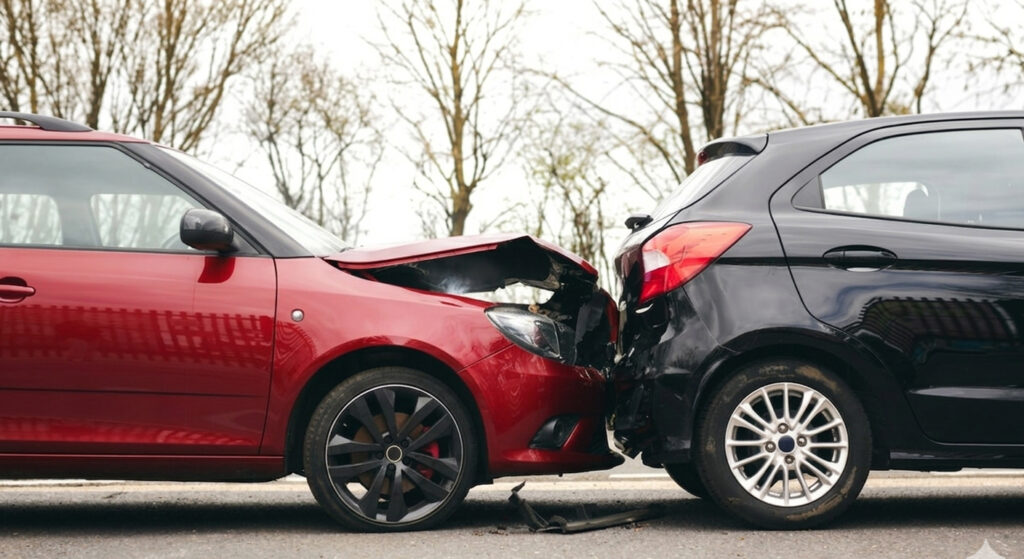
A fender bender is a minor motor vehicle accident that typically involves low-speed impacts and limited vehicle damage. These accidents commonly occur in parking lots, stop-and-go traffic, intersections, and residential areas. Although fender benders are often considered minor collisions, they can still result in injuries, property damage, and insurance disputes.
In some cases, speaking with a Houston car accident lawyer can help individuals better understand their rights and handle insurance-related issues.
Common Causes of Fender Benders
Fender benders often occur during everyday driving situations and are usually caused by momentary mistakes or lapses in attention. Although these accidents are typically low-speed collisions, they can still result in vehicle damage, injuries, and insurance claims.
- Distracted driving: Looking at a phone, adjusting navigation systems, eating, or other distractions can cause drivers to react too slowly and collide with another vehicle.
- Following too closely: Tailgating reduces the time and distance needed to stop safely, increasing the risk of rear-end collisions in traffic.
- Parking lot accidents: Tight spaces, limited visibility, and frequent vehicle movement make parking lots a common location for minor collisions.
- Sudden stops: Drivers who brake unexpectedly may cause following vehicles to crash into the rear of their cars if there is insufficient stopping distance.
- Failure to yield: Accidents can occur when drivers fail to yield the right-of-way at intersections, parking lot exits, or while merging into traffic.
- Poor weather conditions: Rain, fog, and wet roads can reduce visibility and traction, making it more difficult for drivers to avoid collisions.
- Backing-up accidents: Drivers reversing out of parking spaces or driveways may strike another vehicle if they fail to check surrounding traffic carefully.
- Lane-change mistakes: Improper lane changes, failure to check blind spots, or misjudging the position of nearby vehicles can result in minor side-impact collisions.
- Heavy traffic congestion: Stop-and-go traffic increases the likelihood of low-speed impacts when drivers become distracted or fail to maintain a safe following distance.
In cases involving disputes or insurance challenges, consulting a car accident lawyer near me may help protect your rights and ensure fair compensation.
Common Injuries After a Fender Bender
Although fender benders are often considered minor accidents, they can still cause injuries that require medical attention. Even low-speed impacts may place stress on the body and lead to symptoms that appear hours or days after the collision.
- Whiplash injuries: Sudden movement of the head and neck can strain muscles, ligaments, and tendons, causing pain, stiffness, headaches, and reduced range of motion.
- Back injuries: The force of a collision may cause lower back pain, muscle strains, herniated discs, or other spinal injuries that affect daily activities.
- Soft tissue injuries: Muscles, ligaments, and tendons throughout the body may be stretched or torn during impact, resulting in pain, swelling, and limited mobility.
- Head injuries: Drivers and passengers may strike the steering wheel, dashboard, window, or headrest, potentially causing concussions or other head injuries.
- Shoulder injuries: Seatbelts can place significant pressure on the shoulder during a crash, leading to sprains, strains, or joint injuries.
- Knee and leg injuries: Occupants may hit the dashboard or other interior components, causing bruises, fractures, ligament damage, or swelling.
- Chest injuries: The force of seatbelts and airbags may result in bruising, rib injuries, or chest discomfort following the collision.
- Neck injuries: In addition to whiplash, fender benders may cause other neck-related injuries that lead to chronic pain and reduced movement.
- Wrist and hand injuries: Drivers often brace for impact, which can result in sprains, fractures, or soft tissue injuries to the hands and wrists.
- Emotional distress: Some accident victims experience anxiety, stress, fear of driving, or other emotional effects after being involved in a collision.
What to Do After a Fender Bender
Taking the right steps after a fender bender can help protect your safety, preserve important evidence, and support any future insurance claim. Even minor accidents should be handled carefully to avoid complications later.
Check for Injuries
Immediately check yourself, your passengers, and anyone else involved in the accident for injuries. Even low-speed collisions can cause whiplash, soft tissue injuries, or other conditions that may not be immediately apparent. If anyone is seriously injured, call emergency services right away. Prioritizing medical attention helps protect both your health and your legal interests.
Move to a Safe Location
If the vehicles can be moved safely, relocate them to the shoulder of the road or another safe area away from traffic. Turn on your hazard lights to alert other drivers to the accident. Remaining in active traffic lanes may increase the risk of additional collisions. Always prioritize safety when deciding whether to move your vehicle.
Call the Police
Contact law enforcement and report the accident, especially if there are injuries or significant property damage. A responding officer can document the scene and prepare an official accident report. This report may become valuable evidence during insurance claims or legal disputes. Cooperate fully and provide accurate information to the officer.
Exchange Information
Obtain the other driver’s name, phone number, driver’s license number, vehicle registration information, and insurance details. Be sure to verify the information before leaving the scene. Accurate information is necessary for filing insurance claims and resolving liability issues. Avoid discussing fault or assigning blame during these conversations.
Document the Accident Scene
Take photographs and videos of vehicle damage, road conditions, traffic signs, skid marks, and any visible injuries. Capture multiple angles to provide a complete record of the accident scene. Detailed documentation can help support your version of events if disputes arise later. The more evidence you collect, the stronger your claim may be.
Seek Medical Attention
Even if you feel fine after the accident, consider seeking a medical evaluation as soon as possible. Some injuries may take hours or days to develop symptoms. Medical records can help connect your injuries directly to the collision. Prompt treatment may also improve your recovery and strengthen your insurance claim.
Notify Your Insurance Company
Report the accident to your insurance company as soon as possible after the collision. Provide accurate information about what happened and submit any supporting documentation you have gathered. Prompt reporting helps prevent claim delays and allows the insurer to begin its investigation. Be truthful but avoid speculating about fault.
Contact a Car Accident Lawyer
Although many fender benders are resolved through insurance claims, some cases involve disputed liability, injuries, or settlement disagreements. A lawyer can review the circumstances of the accident and explain your legal options. Legal guidance may help protect your rights and improve your chances of recovering fair compensation. Early legal involvement can also help preserve important evidence and prevent costly mistakes.
Texas Laws Related to Fender Bender Accidents
Several Texas laws govern what drivers must do after a fender bender and how liability may be determined. Understanding these legal requirements can help drivers avoid penalties and protect their rights after an accident.
- Duty to Stop After an Accident – Texas Transportation Code § 550.022: Drivers involved in an accident resulting in vehicle damage must immediately stop at the scene or as close as possible and fulfill their legal obligations before leaving. Failure to do so may result in criminal penalties.
- Duty to Exchange Information – Texas Transportation Code § 550.023: Drivers must provide their name, address, vehicle registration number, driver’s license information, and insurance details to other parties involved in the accident.
- Accidents Involving Unattended Vehicles – Texas Transportation Code § 550.024: If a driver damages an unattended vehicle, they must locate the owner or leave written notice containing their contact information and an explanation of the accident.
- Accident Reporting Requirements – Texas Transportation Code § 550.026: Drivers involved in accidents resulting in injury, death, or significant property damage may be required to notify law enforcement and cooperate with accident investigations.
- Financial Responsibility Requirements – Texas Transportation Code Chapter 601: Texas drivers must maintain minimum liability insurance coverage to legally operate a vehicle. Failure to carry insurance can result in fines, license suspension, and other penalties.
- Modified Comparative Fault Rule – Texas Civil Practice and Remedies Code § 33.001: Texas follows a modified comparative fault system. An injured party may recover compensation if they are less than 51% responsible for the accident, although compensation may be reduced based on their percentage of fault.
- Statute of Limitations for Injury Claims – Texas Civil Practice and Remedies Code § 16.003: In most cases, individuals have two years from the date of the accident to file a personal injury lawsuit seeking compensation for damages.
- Property Damage Claims – Texas Civil Practice and Remedies Code § 16.003(a): Claims involving vehicle damage caused by a fender bender are generally subject to the same two-year statute of limitations that applies to personal injury cases.
Understanding these laws can help drivers comply with Texas legal requirements and avoid mistakes that may affect insurance claims or future legal actions following a fender bender accident.
What Compensation Can You Recover?
Even a seemingly minor fender bender can result in financial losses and physical injuries. Depending on the circumstances of the accident, victims may be entitled to recover compensation for a variety of damages.
- Medical expenses: Compensation may cover emergency care, doctor visits, diagnostic tests, medications, physical therapy, and other treatment costs related to accident injuries.
- Lost wages: Victims may recover income lost while missing work due to injuries, medical appointments, or recovery time.
- Property damage: This may include the cost of repairing or replacing a damaged vehicle, as well as other personal property affected by the accident.
- Pain and suffering: Compensation may be awarded for physical pain, discomfort, and the impact injuries have on daily life and activities.
- Emotional distress: Some accident victims experience anxiety, stress, fear of driving, or other emotional effects following a collision.
- Rehabilitation costs: Physical therapy, occupational therapy, and other recovery-related services may be included as part of a compensation claim.
- Out-of-pocket expenses: Victims may recover certain accident-related expenses, such as transportation costs, rental vehicles, or medical equipment.
- Permanent impairment or disability: If the accident results in long-term physical limitations or permanent injuries, additional compensation may be available to address those losses.
To better understand the full value of a claim and available legal options, accident victims may benefit from consulting a motor vehicle accident attorney Houston.
How a Car Accident Lawyer Can Help
Even a minor fender bender can lead to injuries, insurance disputes, and unexpected expenses. A car accident lawyer can help protect your rights, handle communications with insurance companies, and pursue the compensation you may be entitled to receive.
- Investigate the accident: Lawyers gather evidence such as accident reports, photographs, witness statements, and vehicle damage records to determine how the collision occurred.
- Establish liability: An attorney can help identify the at-fault party and address disputes regarding responsibility for the accident.
- Preserve important evidence: Early legal involvement may help secure evidence before it is lost, altered, or becomes unavailable.
- Handle insurance companies: Lawyers communicate directly with insurance adjusters and help protect clients from unfair settlement tactics or claim denials.
- Calculate damages: Attorneys evaluate medical expenses, lost wages, property damage, future treatment costs, and other losses to determine the full value of a claim.
- Negotiate settlements: Legal professionals work to obtain fair compensation and challenge settlement offers that do not adequately cover accident-related damages.
- Assist with injury claims: Even low-speed accidents can cause injuries that require medical treatment. Lawyers help connect medical evidence to the accident and support injury claims.
- Manage legal paperwork: Attorneys ensure insurance documents, claim forms, and legal filings are completed accurately and submitted on time.
- Represent clients in court: If settlement negotiations fail, a lawyer can pursue compensation through litigation and represent the client during legal proceedings.
- Protect your legal rights: Throughout the claims process, an attorney provides guidance and works to ensure that your interests are protected at every stage of the case.
Get Legal Help After a Fender Bender
A fender bender may seem minor, but even low-speed accidents can result in injuries, vehicle damage, and insurance complications. Taking the proper steps after a collision can help protect your health and strengthen any future claim.
The Law Offices of Keivan S. Romero may assist individuals dealing with fender bender claims, insurance disputes, and accident-related legal matters throughout Texas.