
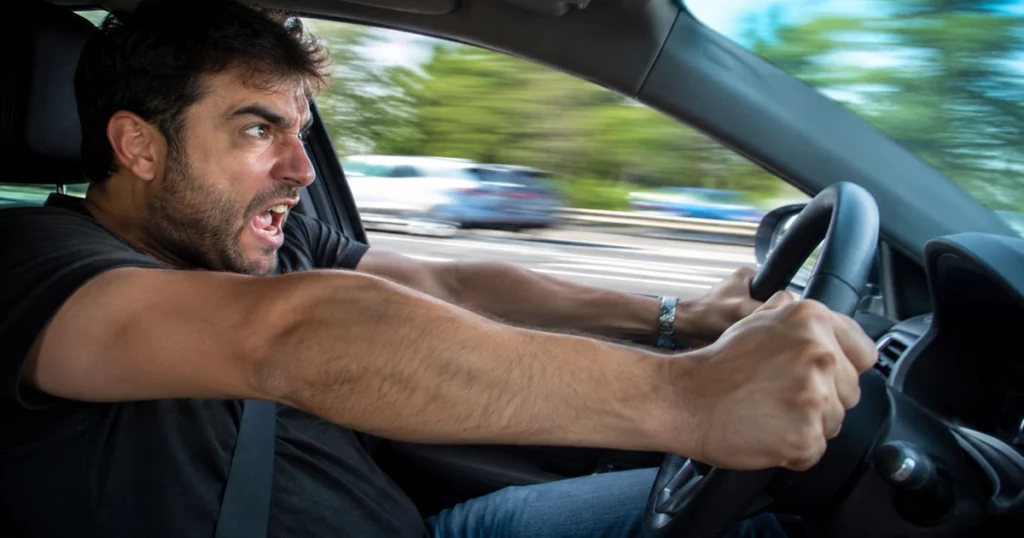
If you are trying to understand how to report a reckless driver, you are likely dealing with a situation that felt unsafe, sudden, and outside your control. Texas roads, especially in Houston, often involve heavy traffic and aggressive driving that can escalate into serious crashes within seconds. Knowing what to do in the moment helps protect your safety and ensures law enforcement receives usable information.
This blog explains how to report a reckless driver in Texas, when to contact police, and what details matter most in a report. It also helps you understand your options if the situation led to a crash or injury. If that happens, speaking with a Houston car accident attorney can help you protect your rights and evaluate your legal claim. In serious situations, legal guidance becomes as important as the initial report itself.
What Is Reckless Driving
Reckless driving in Texas refers to operating a motor vehicle in a way that shows a willful or wanton disregard for the safety of others. It is more serious than ordinary traffic violations, such as minor speeding or momentary inattention. The key factor is the driver’s conscious choice to engage in behavior that creates a clear and unnecessary risk on the road.
Under Texas Transportation Code § 545.401, a person commits the offense of reckless driving when they drive a vehicle in a manner that demonstrates disregard for the safety of persons or property. This statute treats reckless driving as a criminal offense rather than a simple civil traffic violation. In practice, it applies to conduct that significantly increases the likelihood of a collision or endangers public safety.
What Is Considered Reckless Driving
Many drivers ask what is actually included when you report reckless driving. In Houston, law enforcement commonly looks at patterns of aggressive or dangerous behavior on the road. If reckless driving results in a collision, consulting a car accident lawyer near me can help you understand your legal rights and recovery options.
Examples include:
- Excessive speeding in traffic or residential areas
- Weaving through lanes without signaling
- Tailgating other vehicles closely
- Running red lights or stop signs
- Street racing or dangerous lane cutting
These behaviors may also fall under other provisions of the Texas Transportation Code, depending on the specific facts of the incident. When considering how to report a reckless driver, it is typically these repeated or clearly dangerous actions that justify contacting law enforcement and submitting a formal report.
Why Reporting Reckless Drivers Matters In Houston
Reporting dangerous driving is not just about one incident. It helps prevent future crashes and protects other people who share the road with the same driver. In a city like Houston, traffic volume increases the risk of harm when reckless behavior goes unchecked.
When you report a reckless driver, you give law enforcement a chance to investigate patterns of behavior. Even if officers cannot respond immediately, reports can support later action. In some cases, these reports become important evidence in injury claims handled by a Houston wrongful death lawyer when a crash leads to fatal outcomes.
Can You Report Someone for Reckless Driving in Texas?
Yes, you can report reckless driving in Texas. Law enforcement agencies accept reports from witnesses, victims, and other motorists who observe dangerous behavior on the road. The effectiveness of a report depends on how clearly and accurately the information is provided.
Police determine their response based on factors such as the immediacy of the threat, location, and available resources. Not every report leads to an immediate stop or citation, but it can still be documented and reviewed later. When asking how I can report a dangerous driver, the process varies depending on whether the conduct is ongoing or the incident has already ended.
How to Report a Reckless Driver in Texas
There are several official ways to report reckless driving in Texas, and choosing the correct one depends on the level of danger. In Houston, police prioritize calls that involve immediate threats to public safety.
In general, you should use:
- Emergency reporting for active danger
- Non-emergency reporting for completed incidents
- Online reporting systems, when available
Each method requires specific details to help officers identify the vehicle and behavior.
Reporting Through Emergency Services (911)
You should call 911 when the reckless driver is currently on the road and poses an immediate danger. This includes situations like high-speed chasing, wrong-way driving, or near collisions. Dispatchers need quick and clear information to send help.
You should provide:
- Vehicle make, model, and color
- License plate number (if visible)
- Exact location and direction of travel
- Description of dangerous behavior
Reporting to Local Law Enforcement (Non-Emergency Line)
If the incident has already ended, you should contact the non-emergency police line. This allows officers to document the situation properly without using emergency response resources needed for active threats.
This option is commonly used when you need to report reckless driver behavior after the fact. Officers may still review and investigate the incident if the information provided is detailed and verifiable. Always include the time, location, direction of travel, and a clear description of the vehicle and driving behavior.
Report Reckless Driving Online in Texas
Many Texas law enforcement agencies, including those in Houston, provide online reporting tools for non-emergency situations. These systems allow you to submit incident details at any time without needing to call the police.
Online reports typically ask for:
- Incident description
- Vehicle information
- Location and time
- Any supporting evidence, such as photos or dashcam footage.
Step-by-Step Process to Report a Reckless Driver in Texas
Reporting a dangerous driver involves a clear sequence of actions designed to ensure safety first and accurate reporting second. Following a structured process improves both emergency response and investigative outcomes.
- Step 1: Ensure your immediate safety: Do not attempt to follow or confront the driver. Maintain a safe distance and focus on observing key details without putting yourself at risk.
- Step 2: Assess the urgency of the situation: If the driver is actively endangering others, call 911 immediately. If the incident has ended, proceed with a non-emergency report or online submission.
- Step 3: Collect essential details: Record license plate information, vehicle description, location, direction, and specific reckless behavior. If safe, use voice notes or dashcam footage.
- Step 4: Contact the appropriate authority: Use emergency services for active threats, local police non-emergency lines for past incidents, or official online reporting systems where available in Houston and other Texas jurisdictions.
- Step 5: Submit a complete report: Provide all collected information in a clear, chronological format. Include any supporting evidence, such as photos or videos, if available.
- Step 6: Follow up if needed: In some cases, law enforcement may request additional details. Keep your notes and evidence accessible in case clarification is required.
Contact an experienced motor vehicle accident attorney houston to evaluate your case, preserve critical evidence, and guide you through every step of the legal process.
Information Needed to Report a Reckless Driver
The strength of any reckless driving report depends on how precise and complete your information is. Law enforcement in Texas relies on specific, verifiable details to identify the vehicle, confirm the behavior, and decide whether further action is possible under applicable provisions of the Texas Transportation Code, including § 545.401 (Reckless Driving). Missing or vague information can limit the ability of officers to investigate or locate the driver.
You should always include:
- License plate number (full or partial if that is all you can safely observe)
- Vehicle make, model, color, and any distinguishing features (damage, decals, modifications)
- Exact location of the incident, including nearby landmarks or highways
- Direction of travel and lane position when observed
- Time and duration of the reckless behavior
- Clear description of the conduct (e.g., swerving, tailgating, excessive speeding, running signals)
What Happens After You Report a Reckless Driver
After you file a report, law enforcement reviews the information to determine whether it can be acted on. Officers evaluate the details you provided, including the vehicle description, location, time, and reported driving behavior.
If the information is strong enough, police may attempt to identify the driver or follow up with the registered owner. In some cases, charges may be brought under Texas Transportation Code § 545.401 for reckless driving. Even if no immediate action occurs, the report can still be used to support later investigations or legal proceedings.
Legal Risks and Protections for Reporting Drivers
Texas law generally protects individuals who report dangerous driving in good faith. If your report is based on what you honestly observed, you are not exposed to legal liability. Law enforcement relies on public reports to identify unsafe drivers and respond to roadway risks.
However, knowingly providing false or misleading information can lead to legal consequences and may damage your credibility in future investigations or proceedings. Accurate reporting is especially important in serious crash cases where records and witness statements may later support civil litigation.
Defensive Tips When Reporting Reckless Driving
- Report only what you directly saw or can reasonably confirm
- Avoid estimating speeds or details you did not clearly observe
- Keep your statement factual, brief, and time-based
- Do not follow or confront the driver to gather more information
- Use dashcam footage or written notes instead of relying only on memory
How a Lawyer Helps in a Reckless Driving Case in Houston
A Houston attorney can provide structured legal support when reckless driving leads to injury, property damage, or a dispute over fault. Their role focuses on building evidence, applying Texas law correctly, and protecting your financial and legal interests.
- Reviews police reports, witness statements, and video evidence to determine liability
- Evaluates whether the driver’s conduct meets the standard under Texas Transportation Code § 545.401
- Handles negotiations with insurance companies that may try to reduce or deny compensation
- Works with accident reconstruction experts when facts are disputed or unclear
- Represents you in settlement discussions or court proceedings if a claim escalates
- Ensures your rights are protected whether you are a victim or responding to allegations.
If reckless driving results in a fatal accident, a compassionate Houston wrongful death lawyer can help your family pursue justice and seek the compensation you deserve.
Speak With Romero Injury Law About Your Case
If you were affected by a reckless driver in Houston, understanding your legal options is critical before evidence disappears or deadlines pass. A qualified attorney can evaluate your situation, explain potential claims, and guide you through the next steps with clarity and structure.
For individuals dealing with injuries, serious crashes, or loss caused by dangerous driving, The Law Offices of Keivan S. Romero provides legal guidance tailored to Texas traffic and injury law. Our team can help you assess responsibility and determine whether compensation may be available under Texas law.