
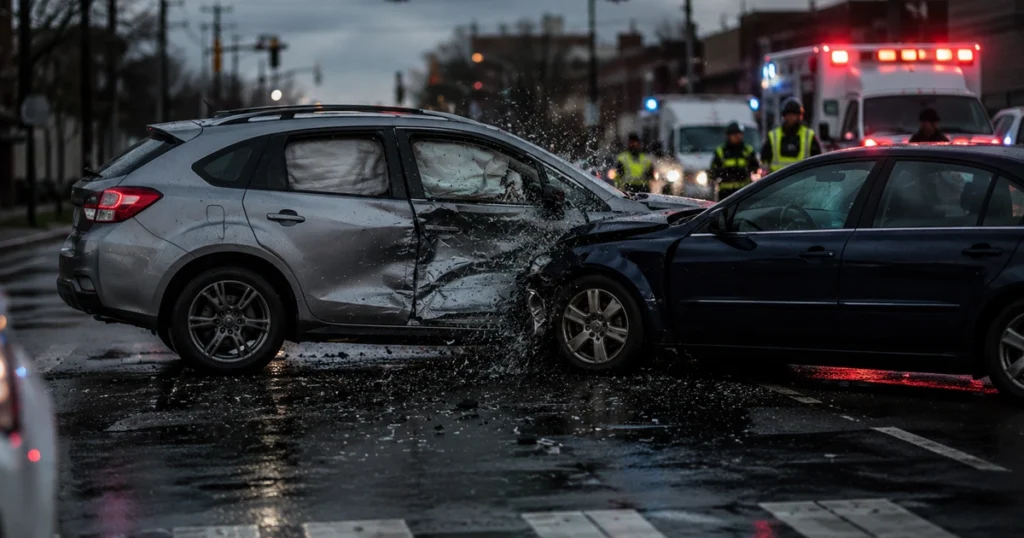
A t-bone car crash can change your life in seconds. These side-impact crashes often happen at intersections and frequently cause severe injuries because the side of a vehicle provides much less protection than the front or rear. If you or a loved one suffered injuries in one of these crashes, speaking with a T bone accident lawyer Houston can help you understand your rights and legal options.
In Houston, busy intersections, heavy traffic, and speeding drivers make these crashes especially dangerous. You may face medical bills, lost income, and uncertainty about who caused the accident. Understanding why these collisions happen and how Texas law applies can help you make informed decisions and seek the care and legal guidance you need.
What Is a T-Bone Accident?
A T-bone accident happens when the front of one vehicle strikes the side of another vehicle, creating a “T” shape. These side-impact collisions commonly occur at intersections when one driver enters the roadway without the legal right-of-way. Because occupants sit close to the doors, they have very little protection from the force of impact. If you have been injured in a side-impact crash, a car accident attorney near me can help you understand your legal options and pursue compensation.
Many intersection accidents involve red-light running, distracted driving, or failure to yield. Under Texas Transportation Code Section 545.151, drivers approaching intersections must yield the right-of-way when required and may proceed only when the intersection can be entered safely.
Common Causes of T-Bone Car Crashes
Several forms of driver negligence contribute to t-bone crashes in Houston. Red-light running remains one of the leading causes of crashes, especially at busy intersections with heavy traffic. Texas Transportation Code Section 544.007 requires drivers facing a red signal to stop and remain stopped until they can safely proceed.
Other common causes include:
- Distracted driving, including texting behind the wheel.
- Failure to yield during left turns.
- Driving under the influence of alcohol or drugs.
- Speeding through intersections.
- Ignoring stop signs or traffic signals.
Right-of-way violations often become central issues when determining fault after a collision.
Where Do T-Bone Accidents Happen in Houston?
Houston contains several intersections and major roadways that frequently experience serious side-impact crashes. Heavy traffic, multiple turning lanes, congestion, and high vehicle speeds increase the risk of intersection accidents throughout the city. Drivers who fail to yield, run red lights, or make unsafe turns often cause these collisions.
Some of the Houston areas commonly associated with t-bone accidents include:
- Westheimer Road and South Gessner Road – Heavy traffic and numerous turning movements make this intersection particularly dangerous.
- Bellaire Boulevard and Fondren Road – Congestion and frequent left turns contribute to many side-impact collisions.
- FM 1960 and Interstate 45 North – High traffic volumes and busy intersections increase the likelihood of crashes.
- Highway 6 and Westheimer Road – This major west Houston intersection experiences substantial daily traffic and multiple turning lanes.
- Richmond Avenue and Hillcroft Avenue – Dense commercial activity and constant traffic create elevated crash risks.
- West Loop South (I-610) near the Galleria area – Heavy congestion and frequent lane changes contribute to serious accidents.
- Downtown Houston intersections near Main Street and Jefferson Street – Dense urban traffic and pedestrian activity can increase collision risks.
- Feeder roads along Interstate 45 South (I-45) – Vehicles entering and exiting the freeway often create dangerous crossing conflicts.
- The Katy Freeway (Interstate 10) feeder roads – High-speed traffic and complex access roads contribute to side-impact crashes.
- Interstate 610 Loop access roads – Merging traffic and busy intersections frequently create right-of-way disputes.
- US-290 frontage roads and intersections – Rapid traffic flow and turning movements can lead to severe collisions.
Large intersections with multiple turn lanes often leave drivers with little time to react when another vehicle enters their path. Houston’s combination of heavy traffic, aggressive driving, and major highway feeder roads makes these locations especially vulnerable to serious t-bone accidents.
Read More: Where Do Broadside Collisions Most Commonly Occur?
Why T-Bone Car Crash Causes Fatal Injuries
The side of a vehicle has less structural protection than the front or rear. In many cases, only a door, a window, and a few inches of space separate occupants from the impact. This lack of protection allows crash forces to transfer directly to the people inside the vehicle.
These crashes frequently happen at intersections where drivers have little opportunity to brake. Unlike rear-end collisions, the striking vehicle often maintains significant speed before impact. Larger SUVs, pickup trucks, and commercial vehicles can also strike smaller passenger cars at door level, causing severe intrusion into the passenger compartment.
Several factors increase the severity of these crashes:
- Direct impact on occupants seated near the collision.
- Vehicle intrusion into the cabin.
- Secondary impacts with poles, barriers, or other vehicles.
- Rollover accidents occur after the initial collision.
- Multiple traumatic injuries occur at the same time.
Most Common Fatal Injuries in a T-Bone Car Crash
Traumatic brain injuries are among the most serious consequences of a t-bone car crash. Occupants may strike windows, door frames, or interior structures during the collision. Brain injuries can cause memory loss, cognitive impairment, and permanent disabilities.
Spinal cord injuries and neck injuries are also common. Whiplash can occur even in lower-speed collisions, while severe impacts may damage the spinal cord and lead to paralysis. Soft tissue injuries often require extensive medical treatment and rehabilitation.
Other common injuries include:
- Internal bleeding and organ damage.
- Chest, shoulder, and rib fractures.
- Collapsed lungs.
- Pelvic, hip, and leg fractures.
- Severe lacerations from shattered glass.
- Crush injuries caused by vehicle intrusion.
Who Is at Fault in a T-Bone Accident?
Fault in a t-bone accident usually falls on the driver who failed to yield the right-of-way, ran a red light, or ignored a stop sign. Police reports, witness statements, traffic camera footage, and vehicle damage often help determine liability. Texas follows a modified comparative negligence rule under Chapter 33 of the Texas Civil Practice and Remedies Code, which allows injured victims to recover damages if they are 50 percent or less at fault.
If the crash results in a fatality, surviving family members may have the right to pursue a wrongful death claim. Speaking with a Houston wrongful death lawyer can help families understand their legal options, investigate the accident, and seek compensation for their losses.
T-Bone Car Accident Compensation in Texas
Victims of serious t-bone accidents may recover several types of compensation depending on the severity of their injuries and the circumstances of the crash. The amount you may receive often depends on the available evidence, insurance coverage, and the extent of your losses.
Common forms of compensation in Texas include:
- Medical expenses for emergency care, hospital stays, surgeries, rehabilitation, and future treatment.
- Lost wages for income missed while recovering from injuries.
- Loss of earning capacity if your injuries affect your ability to work in the future.
- Pain and suffering damages for physical pain and emotional distress.
- Mental anguish and loss of enjoyment of life resulting from permanent injuries or disabilities.
- Property damage compensation for vehicle repairs or replacement.
- Wrongful death damages for surviving family members include loss of financial support and companionship.
If a T-bone accident results in the loss of a loved one, a compassionate Houston wrongful death lawyer can help your family pursue justice and recover the compensation available under Texas law.
How a Houston Car Accident Lawyer Can Help
A lawyer can investigate the accident, preserve evidence, obtain crash reports, and work with accident reconstruction experts when necessary. Legal representation may also help protect you from insurance tactics designed to reduce the value of your claim.
An attorney can calculate damages, negotiate settlements, and file a lawsuit when necessary. Because t-bone accidents often involve disputed liability, early legal guidance can help preserve important evidence and protect your rights.
Romero Injury Law Can Help After a T-Bone Car Crash
T-bone accidents often produce catastrophic injuries because they expose occupants to direct side impacts with limited protection. Understanding Texas right-of-way laws, comparative negligence rules, and available compensation options can help you make informed decisions after a serious collision.
If you or a loved one suffered injuries in Houston, The Law Offices of Keivan S. Romero can help you understand your legal options and evaluate your potential claim. Speaking with an experienced attorney may provide clarity during a difficult time, especially after a serious t-bone car crash.