
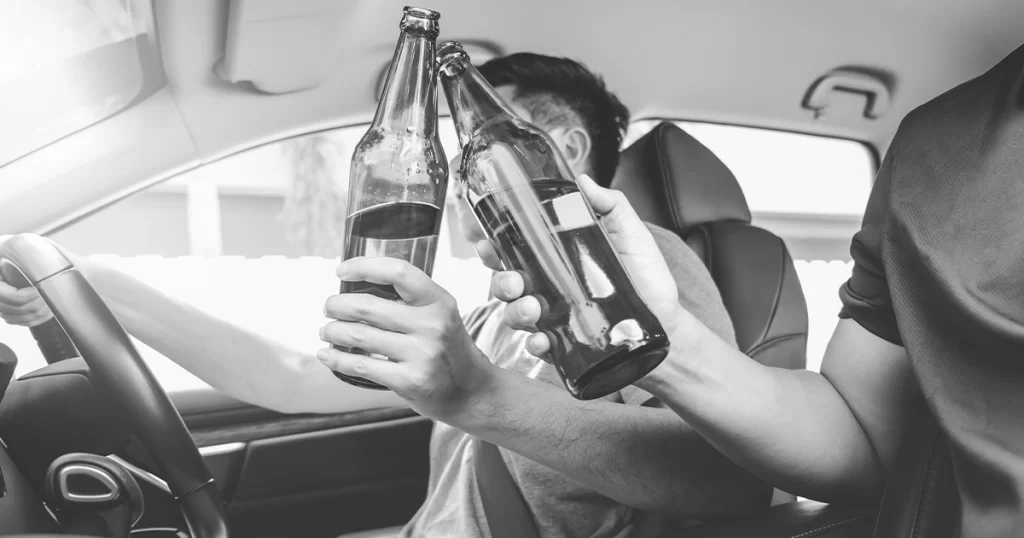
Yes, impaired driving is a criminal offense in Houston, Texas. The Texas Penal Code clearly defines DWI as operating a motor vehicle while intoxicated, which means the driver’s ability to safely operate the vehicle is compromised due to alcohol or drugs. This is considered a criminal act, and penalties can be severe under Texas law.
When it comes to road safety, one of the most serious concerns is impaired driving. In Houston, Texas, like the rest of the United States, driving under the influence (DUI) of alcohol or drugs is considered a criminal offense. If you’ve been charged or are unsure about your rights, consulting a car accident attorney Houston can help you understand the law and protect your interests.
What is Impaired Driving?
Impaired driving refers to operating a motor vehicle while under the influence of alcohol, drugs (including prescription medication), or any other substance that can impair a person’s ability to drive safely. This can include everything from alcohol and marijuana to certain over-the-counter medications.
In Texas, impaired driving is specifically addressed under the law as Driving While Intoxicated (DWI), defined in Texas Penal Code § 49.04. The legal limit for blood alcohol concentration (BAC) is 0.08% for most adult drivers, but even lower levels can lead to impairment for some individuals.
Legal Consequences of Impaired Driving
Impaired driving carries serious legal consequences in Texas, including fines, jail time, license suspension, and mandatory education or probation. First offenses are Class B misdemeanors, while repeat or aggravated offenses can lead to felony charges and longer penalties.
- Fines and Penalties:
- A first offense DWI in Texas is a Class B misdemeanor under Texas Penal Code § 49.04(b), with fines of up to $2,000 as allowed by Texas Penal Code § 12.22. Additional penalties can include probation, community service, and mandatory alcohol education programs.
- Subsequent offenses or first offenses with aggravating factors (such as high BAC or accidents) can be enhanced under Texas Penal Code § 49.09, resulting in higher fines, longer jail terms, and possible felony charges.
- A first offense DWI in Texas is a Class B misdemeanor under Texas Penal Code § 49.04(b), with fines of up to $2,000 as allowed by Texas Penal Code § 12.22. Additional penalties can include probation, community service, and mandatory alcohol education programs.
- License Suspension:
- A first DWI conviction can lead to a license suspension for up to 1 year under Texas Transportation Code § 524.021. If your BAC is over 0.15% at the time of the offense, you may face a longer suspension period.
- If you refuse to take a breathalyzer or blood test when requested by law enforcement, you could face an automatic 90-day license suspension as per Texas Transportation Code § 724.015.
- A first DWI conviction can lead to a license suspension for up to 1 year under Texas Transportation Code § 524.021. If your BAC is over 0.15% at the time of the offense, you may face a longer suspension period.
- Jail Time:
- For a first offense, a DWI conviction can result in up to 180 days in jail. This is in line with Texas Penal Code § 49.04 for DWI offenses. Subsequent offenses, especially those involving aggravating factors, can lead to longer prison sentences.
- If an accident results in injury or death, penalties escalate significantly. This may lead to felony charges under Texas Penal Code § 49.08, which involves intoxication assault or intoxication manslaughter, carrying more severe sentences.
- For a first offense, a DWI conviction can result in up to 180 days in jail. This is in line with Texas Penal Code § 49.04 for DWI offenses. Subsequent offenses, especially those involving aggravating factors, can lead to longer prison sentences.
- Enhanced Penalties:
- If there is an accident resulting in injury or death, the penalties for impaired driving become even more severe. In these cases, you may face felony charges, which carry significant prison sentences and fines under Texas Penal Code §§ 49.07 and 49.08.
- Texas also has a zero-tolerance law for drivers under 21, meaning any detectable amount of alcohol or drugs in their system can result in a DWI charge under Texas Alcoholic Beverage Code § 106.041.
- If there is an accident resulting in injury or death, the penalties for impaired driving become even more severe. In these cases, you may face felony charges, which carry significant prison sentences and fines under Texas Penal Code §§ 49.07 and 49.08.
- Probation and Rehabilitation:
- In some cases, you may be eligible for probation rather than jail time, especially for a first offense. However, probation typically includes strict conditions, such as alcohol monitoring, community service, and counseling.
- Depending on the circumstances, you may be required to complete a DWI education program and attend alcohol and drug rehabilitation programs under Texas Penal Code § 49.04(c).
- In some cases, you may be eligible for probation rather than jail time, especially for a first offense. However, probation typically includes strict conditions, such as alcohol monitoring, community service, and counseling.
Why You Need Legal Representation
Impaired driving charges can have lasting consequences on your life, including your employment, finances, and reputation. If you are facing DWI charges in Houston, it’s important to seek expert legal counsel from a skilled attorney specializing in impaired driving cases.
At the same time, if someone else’s impaired driving caused you harm, a Houston personal injury attorney can help you pursue compensation for medical expenses, lost wages, and property damage.
Defending Against Impaired Driving Charges
An experienced DUI lawyer in Houston can challenge BAC results, question procedural errors during arrest, and negotiate alternative sentencing like community service or rehabilitation to reduce penalties. If you believe the charges are unfair or incorrect, an attorney can help fight them and protect your rights. Key defense strategies include:
- Challenging BAC Results: Breathalyzer or blood test results may be inaccurate.
- Questioning the Arrest Process: Procedural errors during the stop or arrest can lead to reduced charges or dismissal.
- Alternative Sentencing Options: Community service, rehab, or other alternatives to jail time may be negotiated.
Contact Our Law Firm
Consulting The Law Office of Keivan S. Romero ensures your rights are protected, whether you are defending against DWI charges or seeking damages as a victim. Our experienced team will guide you through the legal process and help achieve the best possible outcome.
Whether you are facing charges you believe are unfair or recovering from an accident caused by someone else’s impaired driving, our team provides personalized legal strategies to protect your interests and secure fair results.