
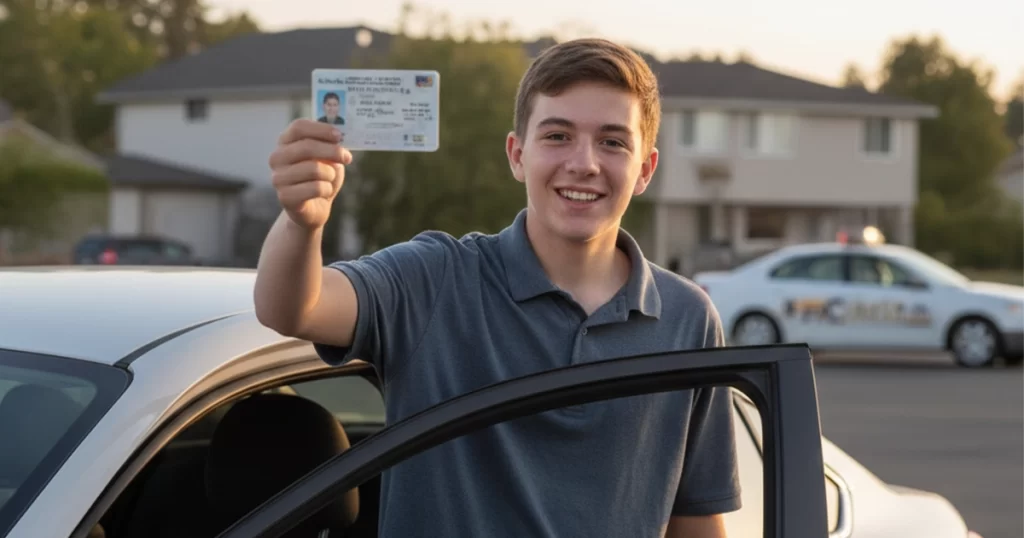
Curious about the minimum age to get a driver’s license in Texas? Teens and parents often want to know when young drivers can start legally driving and what requirements they must meet. Texas has a structured, multi-stage licensing system designed to build safe driving habits and reduce accident risk.
If questions arise about traffic violations, insurance claims, or liability from crashes, a Houston car accident lawyer can provide guidance and legal insight for families navigating these issues.
Texas Graduated Driver Licensing System
Texas uses a Graduated Driver Licensing system to gradually introduce driving privileges for drivers under 18. Instead of granting full driving rights immediately, this system allows teens to gain experience under lower-risk conditions. Each stage has a minimum age requirement, legal restrictions, and educational prerequisites.
The GDL is designed to reduce teen crashes and help families ensure that young drivers understand their responsibilities on the road.
Phase I: Learner’s License (Minimum Age 15)
In Texas, a learner’s license may be issued at age 15, under the supervision of a licensed adult, as stipulated in Texas Transportation Code §521.021.
- Enrollment in a state-approved driver education program
- Driving only with a licensed adult in the front passenger seat
- Completing supervised driving practice, including nighttime hours
This stage emphasizes instruction, observation, and safe driving habits before teens are allowed to drive independently.
Phase II: Provisional License (Minimum Age 16)
Teens may qualify for a provisional license at age 16 after completing driver education and holding a learner’s license for six months, in accordance with Texas Transportation Code §521.021.
- No driving between midnight and 5:00 a.m., except for work, school, or emergencies
- No more than one passenger under 21 who is not a family member
- No use of mobile devices, including hands-free, except in emergencies
Violating these restrictions can lead to fines, license suspension, or delays in obtaining a full license.
Full, Unrestricted Class C License (Age 18)
At 18, provisional restrictions are automatically lifted, and the driver receives a full, unrestricted Class C license, as mandated by Texas Transportation Code §521.021. The driver can legally operate a vehicle independently under the same conditions as any adult driver.
Although restrictions are lifted, drivers remain fully responsible for obeying all standard traffic laws, including speed limits, DUI regulations, and other safety requirements. Past driving history, citations, or accidents may still impact insurance rates and legal responsibilities, so it is important to understand the implications of moving from a provisional to a full license.
Licensing for First-Time Drivers Over Age 18
Adults who have never held a driver’s license in Texas must follow different rules than teen drivers. The state requires certain education and testing requirements depending on the applicant’s age, but these drivers are not subject to the Graduated Driver Licensing (GDL) restrictions that apply to minors. Understanding these requirements ensures that new adult drivers remain compliant with Texas law and are prepared to operate a vehicle safely. Key requirements for first-time adult drivers:
- Ages 18-24: Must complete a six-hour adult driver education course before taking the knowledge and driving tests.
- Ages 25 and older: Adult driver education is waived, but applicants must still complete testing and provide all required documentation.
- All adult drivers are exempt from the graduated licensing system that applies to drivers under 18.
Hardship or Minor Restricted Licenses
In exceptional cases, a minor under 16 may drive under a restricted hardship license if a court determines it’s necessary due to family, medical, or educational needs, as provided in Texas Transportation Code §521.223. This is issued only if a court determines driving is necessary due to:
- Family hardship
- Medical necessity
- Educational needs
These licenses are highly restricted and granted only in exceptional circumstances.
Consequences of Underage Driving
Driving without the proper license is a violation of Texas law and can lead to serious consequences for both the driver and, in some cases, their parents or guardians. Understanding these potential penalties is important for families and new drivers, as they can affect legal standing, insurance rates, and future driving privileges. A Houston car accident lawyer can provide guidance on liability, insurance implications, and how to navigate these situations. Penalties may include:
- Traffic citations and fines
- License suspension or delayed eligibility
- Higher insurance rates
- Legal consequences for parents or guardians who knowingly allow unauthorized driving
How a Lawyer Can Help
If your teen is involved in an accident, a Houston car accident lawyer provides comprehensive legal support for both teens and other parties involved. At Houston car accident lawyer, our strategies include:
- Reviewing accident details to determine liability, whether it’s partial or full fault by your teen or the other driver.
- Ensuring compliance with Texas GDL rules to prevent legal complications for teen drivers.
- Challenging citations or claims when your teen followed legal driving requirements.
- Assisting families in evaluating damages or injuries caused by your teen to another person, and helping other parties if your teen was injured by someone else.
- Guiding parents through legal responsibilities, special or hardship licenses, and potential consequences under Texas law.
We work to protect your teen’s rights, reduce legal risks, and ensure any accident or citation is handled effectively while helping all parties involved understand and resolve claims fairly.
Protect Your Teen Driver
In Texas, teens may begin supervised driving at 15, obtain a provisional license at 16, and receive full driving privileges at 18. Each stage is designed to build safe driving habits, with parents playing a critical role in supervision and compliance with Graduated Driver Licensing (GDL) rules. Even when families follow the law, accidents or insurance disputes can still arise. The Law Office of Keivan S. Romero helps families by:
- Reviewing licensing compliance and teen driver actions.
- Determining liability when your teen caused an accident or was injured by another driver.
- Addressing citations, negotiating with insurance companies, and assessing damages or injuries on both sides.
With experienced legal guidance, you can protect your teen’s driving privileges, ensure fair compensation or liability handling, and move forward with confidence.
Take Action After a Teen Driver Accident
If you are involved in an accident with a teen driver, stay calm and prioritize safety. Call law enforcement to document the incident, especially when minors are involved. Gather information from the teen driver, their parents or guardians, witnesses, and take photos of the scene, vehicles, and any injuries.
At The Law Office of Keivan S. Romero, we help both sides navigate teen-involved accidents. We assist teen drivers in determining whether the other party bears partial or full fault and help other parties evaluate damages or injuries caused by the teen. Acting quickly ensures evidence is preserved, liability is accurately determined, and your case is handled properly under Texas law.