
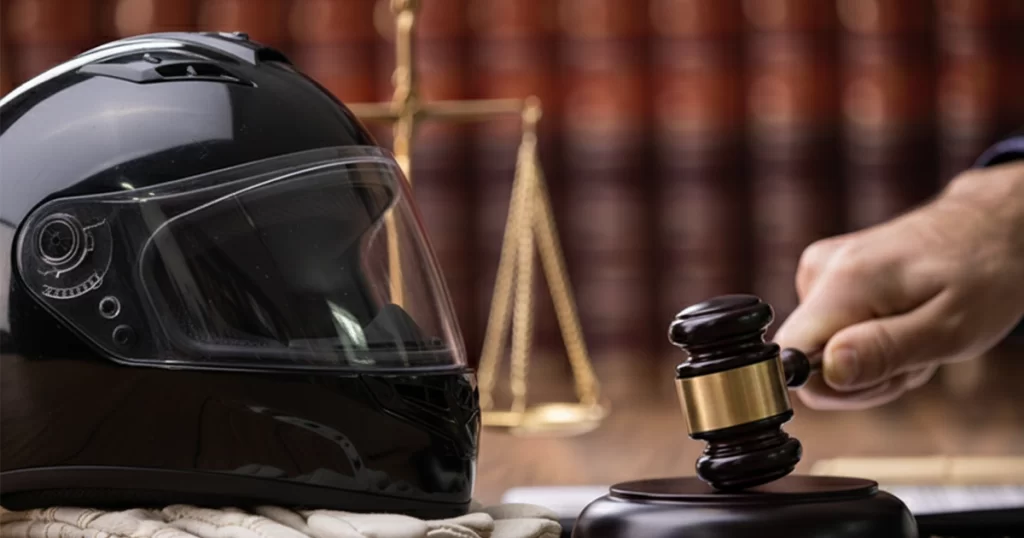
Motorcycle riding is a popular way to travel Texas roads, offering freedom and excitement—but it comes with significant risks. Texas follows a partial helmet law, meaning helmet requirements depend on a rider’s age and certain legal conditions.
Riders 21 or older may be exempt if they complete a certified safety course or carry required insurance. Consulting a Houston catastrophic injury lawyer can help clarify these rules. They can also guide riders on protecting their legal rights if involved in a crash.
Texas Motorcycle Helmet Laws
Texas motorcycle helmet requirements are governed by Texas Transportation Code Chapter 661, which outlines when protective headgear is mandatory and when limited exemptions apply. These laws apply to both motorcycle operators and passengers.
Unlike states with universal helmet laws, Texas allows some adult riders to operate motorcycles without helmets if they meet specific criteria. Because of these exceptions, Texas is classified as a partial helmet law state.
Helmet Requirements for Riders Under 21
Texas law strictly requires all motorcycle riders and passengers under the age of 21 to wear helmets. These helmets must meet approved safety standards to provide adequate protection. Compliance is mandatory, and failure to follow the law can lead to legal penalties.
- All motorcycle riders and passengers under the age of 21 must wear a helmet
- There are no exemptions for this age group
- Helmets must meet approved safety standards
Helmet Exemptions for Riders 21 and Older
Riders aged 21 and older may be exempt from wearing a helmet under specific conditions. These exceptions apply only if the rider meets state-mandated requirements at the time of riding. Compliance ensures both safety and adherence to Texas law.
- Completion of a state-approved motorcycle safety course
- Carrying qualifying medical insurance coverage that covers motorcycle accident injuries
If a rider does not meet one of these conditions, wearing a helmet remains mandatory under Texas law.
Enforcement and Traffic Stops in Texas
Texas helmet laws are often misunderstood. Officers cannot stop a rider solely for not wearing a helmet, but noncompliance during a crash or when claiming exemptions can result in citations and affect insurance or injury claims. However, helmet compliance may become relevant after:
- A lawful traffic stop for another violation
- A motorcycle accident
- An investigation into whether the rider qualifies for a legal exemption
Helmet Safety & Approved Headgear
Not all helmets provide the same level of protection or legal compliance. Motorcycle helmets used on Texas roadways must meet federal safety standards established by the National Highway Traffic Safety Administration (NHTSA).
Approved helmets must comply with Federal Motor Vehicle Safety Standard No. 218 (FMVSS 218) and typically display a DOT certification label. These standards ensure helmets are designed to absorb impact, reduce head trauma, and remain securely fastened during a crash.
Novelty helmets often fail to meet these standards and may offer little real protection while exposing riders to increased legal and injury risks.
Why Wearing a Helmet Matters in Texas
Although Texas law allows certain riders to forgo helmets, extensive research shows that helmet use dramatically reduces the risk of serious injury. Motorcycle crashes often involve riders being thrown from their bikes or striking other vehicles, objects, or the roadway. Helmets have been shown to:
- Reduce the risk of fatal injuries
- Lower the likelihood of traumatic brain injuries
- Protect the skull, face, and neck during impact
Even when not legally required, wearing a helmet remains one of the most effective ways to prevent catastrophic injuries.
Consequences of Riding Without a Helmet
Choosing to ride without a helmet can have serious consequences, particularly if an accident occurs.
Increased Risk of Severe Injuries
Unhelmeted riders are far more likely to suffer:
- Traumatic brain injuries (TBI)
- Skull fractures
- Spinal cord injuries
- Permanent neurological damage or death
Higher Medical Costs
Motorcycle accident injuries often require emergency treatment, surgery, rehabilitation, and long-term care. Head and spinal injuries can result in medical expenses reaching hundreds of thousands, or even millions, of dollars.
Impact on Injury Claims
While not wearing a helmet does not automatically bar recovery, insurance companies may argue that helmet nonuse contributed to the severity of injuries. Under Texas comparative negligence rules, this may reduce the compensation an injured rider can recover.
How Texas Riders Can Stay Safe and Compliant
Texas motorcyclists can reduce the risk of injury and remain legally compliant by taking proactive safety measures. Prioritizing helmet use, following the law, and practicing defensive riding are essential for every rider. Consulting a Houston catastrophic injury lawyer can also help riders understand their legal rights and potential liabilities in the event of an accident. Key steps to stay safe include:
- Wearing a DOT-approved helmet on every ride
- Completing a state-approved motorcycle safety course
- Maintaining proper medical insurance coverage
- Inspecting motorcycles before riding
- Riding defensively and staying aware of road conditions
Staying informed about Texas helmet laws and following these practices can help minimize both accident risks and potential legal issues.
Legal Help for Texas Motorcycle Accidents
Motorcycle accidents often result in severe, life-changing injuries. If you or a loved one has been injured in a Texas motorcycle crash, understanding how helmet laws, insurance requirements, and liability rules affect your case is critical.
The Law Office of Keivan S. Romero can help. An experienced motorcycle accident attorney will protect your rights, assess how helmet use may affect your claim, and pursue compensation for medical expenses, lost income, and long-term care needs.