
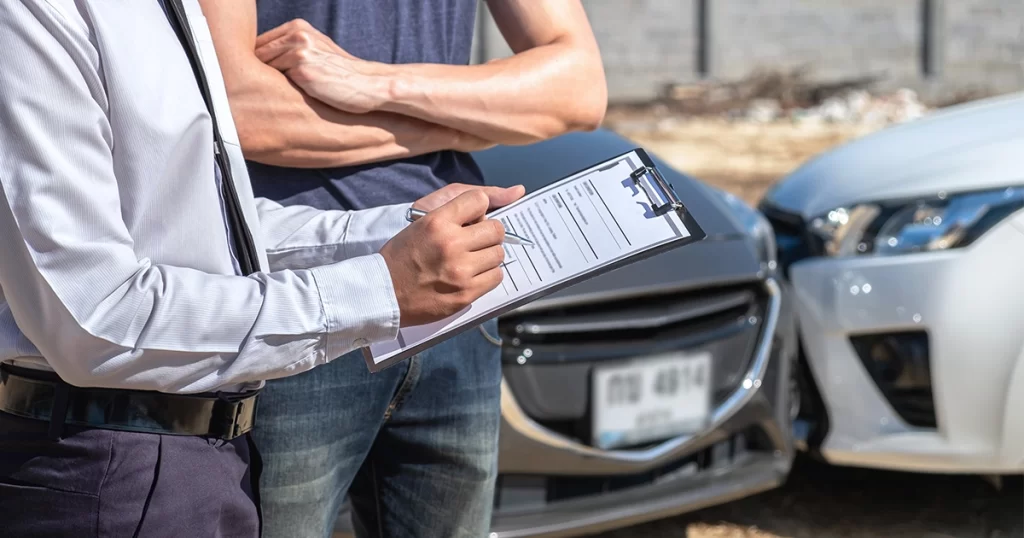
Car accidents can happen when you least expect them. Whether you’re involved in a minor fender bender or a more serious collision, the aftermath can leave you feeling uncertain about what to do next. Following the right steps not only helps keep you safe but also ensures that you’re fully protected legally and financially.
In this guide, we’ll walk you through everything you need to do immediately after an accident, as well as the crucial follow-up steps to ensure you are covered. Consulting a Houston car accident lawyer can also provide valuable guidance, helping you navigate the legal and insurance processes more effectively. Understanding these steps can make all the difference in the aftermath of a crash and can set you on the right path to recovery.
1. Assess Your Situation and Prioritize Safety
The very first thing you should do after a car accident is check for injuries, yours and your passengers’. Even if the collision seems minor, it’s essential to ensure everyone is safe.
- Check for Injuries: Look for any signs of injuries, no matter how small. Sometimes, injuries like whiplash, concussions, or internal trauma may not be immediately visible. If anyone is injured, call 911 right away.
- Move to Safety: If your vehicle is still operational and it’s safe to do so, move it to the side of the road. This can help prevent further accidents or blockages.
- Stay Calm: Emotions can run high after an accident, but staying calm helps you think clearly and make better decisions.
2. Contact Emergency Services
Calling emergency services might seem obvious, but it’s crucial for more than just obtaining medical help. A police report provides an official record of the accident, which is vital for insurance claims and legal matters.
- Police Report: Even for minor accidents, an official police report is necessary. In Texas, drivers involved in an accident resulting in injury, death, or property damage over $1,000 are required by Texas Transportation Code §550.021 to report the crash to local authorities.
- Medical Help: Ambulances or paramedics can evaluate injuries that may not be visible to the untrained eye. Always err on the side of caution and have medical personnel assess the situation.
3. Gather Essential Information
Collecting as much information as possible will support your case later on, especially if you decide to file a personal injury claim or need to deal with insurance.
- Photographs and Notes: Take detailed photos of the accident scene, vehicle damage, license plates, road conditions, and any visible injuries. A picture is worth a thousand words and can be invaluable when proving your case.
- Exchange Details: Make sure to exchange contact information with other drivers, including:
- Full name, phone number, and address
- Driver’s license and license plate numbers
- Insurance details, including policy numbers
- Make, model, and color of the vehicles involved
- Full name, phone number, and address
4. Don’t Discuss Fault at the Scene
It’s natural to want to explain the situation or apologize, but avoid admitting fault or speculating about who is to blame. The full picture of the accident may not be clear at the moment, and assigning fault could hurt your case later.
- Keep It Neutral: Stick to the facts, and don’t make any statements that could be misinterpreted as an admission of guilt.
- Stay Professional: Avoid arguing with the other driver or any witnesses. Focus on getting the necessary information and staying safe.
5. Notify Your Insurance Provider
Once the immediate aftermath is handled, it’s time to inform your insurance company. The sooner you notify them, the quicker they can begin processing your claim.
- Report the Incident: Contact your insurance company and file a claim. Provide them with the details you collected, including the police report, photos, and witness information.
- Understand Your Coverage: Familiarize yourself with the coverage limits and your deductible. Texas law requires all drivers to maintain financial responsibility, typically through auto insurance, under Texas Transportation Code §601.051. Knowing your coverage helps manage expectations for medical costs, vehicle repairs, and potential compensation.
6. Seek Medical Attention, Even if You Feel Fine
Even if you don’t feel like you’ve been hurt, it’s a good idea to see a doctor after a car accident. Some injuries, like whiplash or internal bleeding, may not show symptoms right away.
- Hidden Injuries: Injuries from car accidents can take hours or even days to become apparent, so seeking a medical evaluation ensures any potential injuries are detected early.
- Document Everything: Keep a detailed record of your medical visits, treatments, and any prescriptions. These documents are crucial for your personal injury claim or insurance reimbursement.
7. Consult a Car Accident Lawyer
If you’ve been injured or if there are complications with insurance, it’s wise to consult a lawyer. A legal professional can guide you through the claims process, protect your rights, and ensure you receive fair compensation.
- Legal Expertise: A lawyer can help you navigate complex issues like fault disputes, dealing with insurance companies, and pursuing legal action if necessary.
- Personal Injury Claims: If you’ve sustained injuries, a Houston car accident lawyer can assist you in filing a personal injury claim to secure compensation for medical expenses, lost wages, pain, and suffering
8. Stay Organized and Keep Records
Keeping meticulous records can help you manage your case and ensure that you don’t miss any important details along the way.
- Maintain a File: Create a file with all accident-related documents, including photos, medical records, repair bills, and communication with your insurer or lawyer.
- Track Your Expenses: If you’re missing work or incurring additional costs due to the accident, keep a log of lost wages and expenses to ensure they’re accounted for during claims.
9. Be Cautious of Fraudulent Activities
Unfortunately, some unscrupulous individuals may try to take advantage of accident victims. Always be aware of common scams, including:
- Staged Accidents: Watch out for individuals who may try to orchestrate a collision for fraudulent purposes.
- Tow Truck Scams: Be cautious of aggressive tow truck drivers who may attempt to take your car to an unlicensed or overpriced repair shop.
Get Expert Legal Assistance
A car accident can be a life-altering event, but knowing what to do in the aftermath can make the process smoother. By staying calm, documenting the scene, contacting your insurance company, seeking medical attention, and consulting a lawyer, you can protect your health, your finances, and your rights.
For any questions or assistance with a car accident claim, don’t hesitate to reach out to The Law Office of Keivan S. Romero. Our team of experienced attorneys is here to guide you through the process and ensure that you receive the compensation and justice you deserve.