
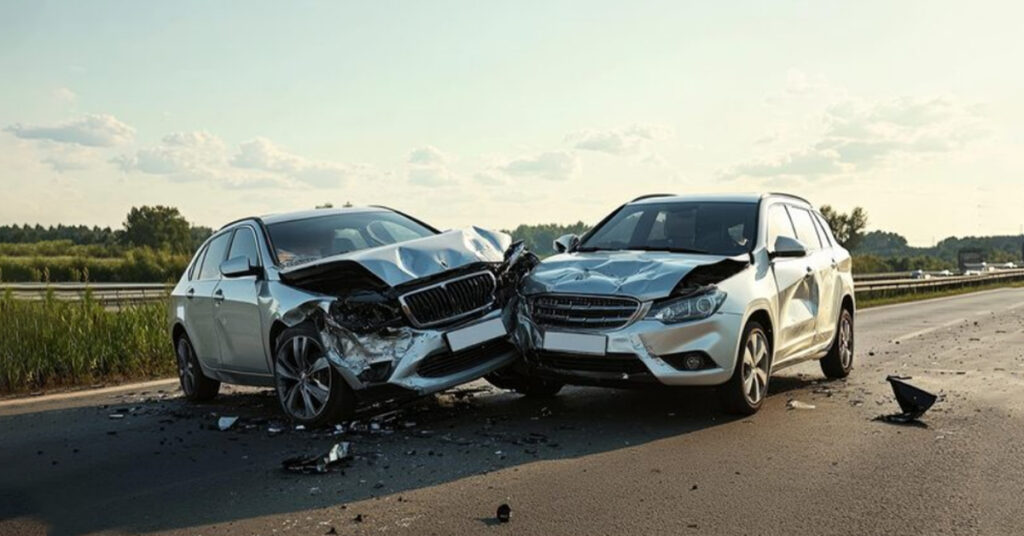
A head-on collision is one of the most severe types of car accidents, involving the direct impact between two vehicles traveling in opposite directions. These crashes often result in serious injuries, significant vehicle damage, and complex legal disputes over liability. One of the most important concerns after such an accident is determining who is at fault and how responsibility is established under Texas law. In many cases, victims seek help from a head on collision lawyer to better understand their legal rights and options after a serious crash.
Because fault directly impacts insurance claims and compensation, understanding how these accidents occur is essential for protecting your case and avoiding unfair blame.
What Is a Head-On Collision?
A head-on collision occurs when the front ends of two vehicles collide while traveling in opposite directions. These accidents are often sudden, leaving little time for drivers to react, and they typically result in severe damage due to the combined force of impact. From a legal standpoint, a head-on collision is usually treated as a negligence-based accident, meaning one driver failed to exercise reasonable care and caused the crash.
Common locations where head-on collisions happen include:
- Two-lane rural roads
- Highways with wrong-way entry ramps
- Construction or detour zones
- Poor visibility or curved roads
Because both vehicles are usually moving at speed, these crashes are considered among the most dangerous types of accidents.
To determine legal fault, investigators typically review:
- Police accident reports
- Witness statements
- Vehicle damage patterns
- Skid marks and roadway evidence
- Traffic or dash camera footage
Careful evaluation of this evidence helps establish liability and determine whether another driver’s negligence caused the collision and resulting damages.
Who Is Usually at Fault in a Head-On Collision?
In most cases, one driver is primarily at fault, but determining liability depends on the cause of the accident. Fault is established by reviewing traffic violations, driver behavior, and available evidence from the crash scene. For victims dealing with such serious accidents, consulting an MVA Lawyer Houston can help evaluate fault and protect your right to compensation.
1. Wrong-Way Driving
A driver enters a one-way road or highway in the wrong direction, causing a direct collision. This is one of the most dangerous causes of head-on crashes due to the immediate impact risk. Fault is usually clear in these cases because traffic signs and road markings are violated.
2. Distracted Driving
Drivers who are texting, using GPS, or not paying attention may drift into oncoming traffic. Even a few seconds of distraction can cause a vehicle to cross the center line. This type of negligence is commonly proven through phone records or witness statements.
3. Drunk or Impaired Driving
Alcohol or drugs can impair judgment, leading to lane departure and head-on crashes. Impaired drivers often lose control of steering and reaction time. These cases usually result in strong liability against the intoxicated driver.
4. Unsafe Passing
Attempting to pass another vehicle in a no-passing zone or without enough visibility can result in a collision. Drivers may misjudge the distance or speed of oncoming traffic. Such violations are often clearly documented in police investigations.
5. Fatigue or Drowsy Driving
Falling asleep or losing focus can cause a driver to cross the center line. Fatigued drivers may unintentionally drift into opposing lanes without realizing it. This is especially common during long-distance or nighttime driving.
Steps to Take After a Head-On Collision
Taking the right steps immediately after a head-on collision is critical for your safety, medical recovery, and legal protection. Because these accidents are often severe, acting quickly can help preserve evidence, support your claim, and protect your rights.
- Call 911 and report the accident: Ensure emergency services arrive and an official police report is created. Contacting authorities right away helps secure the scene and ensures medical assistance is provided as quickly as possible. A police report serves as a key piece of evidence when filing an insurance claim or pursuing legal action. It also helps establish an unbiased record of what happened.
- Seek medical attention immediately: Get evaluated even if injuries are not visible right away. Head-on collisions often cause internal injuries or delayed symptoms such as whiplash or concussions. Early medical evaluation protects your health and creates documentation that links your injuries to the accident. This can be crucial when seeking compensation later.
- Document the scene: Take photos, videos, and collect witness information if possible. Visual evidence of vehicle damage, road conditions, and traffic signs can strengthen your case. Gathering witness statements can also provide additional perspectives on how the accident occurred. The more evidence you have, the easier it is to prove fault.
- Avoid admitting fault: Do not make statements that could be used against you later. Even casual remarks at the scene can be misinterpreted or used by insurance companies to reduce your claim. Stick to factual information when speaking with others involved. Let investigators and legal professionals determine liability based on evidence.
- Notify your insurance company: Report the accident promptly with accurate details. Timely reporting helps start the claims process and prevents unnecessary delays. Provide clear and honest information, but avoid speculation about fault. Keeping records of all communication with your insurer is also important.
- Consult a lawyer: Legal guidance can help determine fault and protect your compensation rights. An experienced attorney can review evidence, handle negotiations with insurance companies, and ensure your rights are protected. This is especially important in serious accidents where damage and injuries are significant. Legal support can improve your chances of receiving fair compensation.
Can Both Drivers Be at Fault?
Yes, in some head-on collision cases, both drivers may share responsibility for the accident. This is determined under comparative negligence rules, where fault is divided based on each party’s actions leading up to the crash.
For example:
- One driver was speeding
- The other crossed the center line
In these situations, each driver’s percentage of fault directly impacts the amount of compensation they can recover. If a driver is found partially responsible, their compensation may be reduced accordingly. In some states, like Texas, a driver may not recover damages if they are found more than 50% at fault.
How Long Do Head-On Collision Claims Take?
The time it takes to resolve a head-on collision claim can vary widely depending on the complexity of the accident and the severity of injuries involved. Some cases are settled quickly, while others may take several months or even longer if liability is disputed or extensive medical treatment is required.
Simple claims with clear fault and minor injuries may be resolved in a few months. However, cases involving serious injuries, long-term treatment, or disagreements between insurance companies often take much longer to finalize. The availability of evidence, cooperation from insurers, and the need for expert investigation can also significantly impact the timeline of the claim process.
Why Legal Help Matters After a Head-On Collision
After a serious accident, determining fault is not always straightforward. Insurance companies may try to reduce payouts or shift blame.
A skilled attorney can:
- Investigate the crash.
- Collect and preserve evidence.
- Work with accident reconstruction experts.
- Negotiate with insurance companies.
- Represent victims in court if necessary.
Many victims search for a “head-on collision lawyer near me” or a “car accident lawyer Houston” to get immediate legal support after a crash.
Firms like The Law Offices of Keivan S. Romero help accident victims understand their rights and pursue fair compensation.
What Damages Can Be Recovered?
Victims of head-on collisions may be eligible for compensation such as:
- Medical expenses
- Lost wages
- Vehicle damage
- Pain and suffering
- Long-term rehabilitation costs
The exact amount depends on the severity of injuries and the liability determination.
If We Don’t Win, You Don’t Pay
After a serious head-on collision, many victims hesitate to seek legal help due to concerns about legal fees. The Law Offices of Keivan S. Romero work on a contingency fee basis. This means you do not have to pay any upfront legal fees to get started with your case.
Under this arrangement, your attorney only gets paid if your case is successful. If no compensation is recovered, you typically do not owe any legal fees. This approach allows accident victims to focus on recovery while still having access to experienced legal representation.