
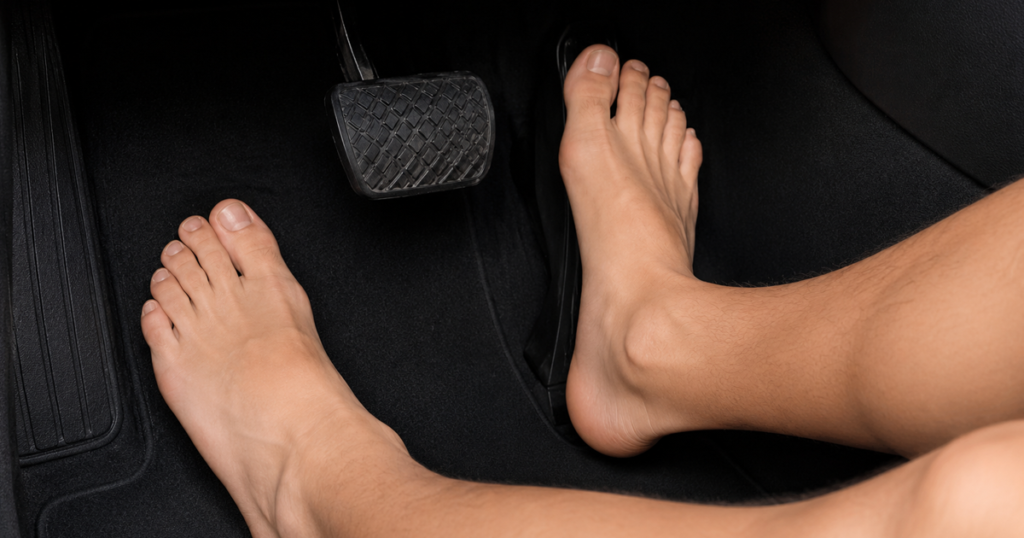
Driving barefoot is a common question among drivers, especially during warm weather, beach trips, or casual short drives. Many people assume it might be illegal, but in reality, the short answer is simple: driving barefoot is not illegal in Texas or anywhere else in the United States.
However, just because it is legal does not always mean it is the safest choice. In certain situations, driving barefoot can affect vehicle control, and if an accident occurs, it may even be a contributing factor in determining liability. In such cases, speaking with a car accident lawyer Houston can help you better understand your legal options.
Can You Drive Barefoot in Texas?
Yes, you can legally drive barefoot in Texas. There is no law that requires drivers to wear shoes while operating a vehicle, and barefoot driving is not considered a traffic violation.
However, drivers are still legally required to maintain full control of their vehicle at all times. Even though it is legal, barefoot driving may still raise safety concerns depending on road and driving conditions.
Key points include:
- Barefoot driving is completely legal in Texas.
- No fines or penalties exist for driving without shoes.
- Drivers must still maintain full control of the vehicle.
- Bare feet may reduce grip on pedals in some situations.
- Emergency braking may feel less stable without footwear.
- Footwear choice can be reviewed in accident investigations.
- It may be considered if it contributes to negligence or a crash.
Is It Illegal to Drive Barefoot in Texas?
Driving barefoot is not illegal in Texas or any other U.S. state. This is one of the most common driving myths, but there are no federal or state laws that prohibit operating a vehicle without shoes.
Instead of regulating footwear, traffic laws focus on safe vehicle operation. Every driver is expected to maintain proper control and drive responsibly at all times.
From a legal standpoint, barefoot driving only becomes relevant if it contributes to unsafe driving behavior. If lack of footwear affects braking ability, reaction time, or vehicle control, it may be considered during an accident investigation. However, it is never treated as an independent traffic violation.
Is Driving Barefoot Dangerous?
Even though it is legal, driving barefoot can sometimes be risky depending on the situation.
Potential risks include:
- Less grip on pedals.
- Reduced control in emergency braking.
- Foot slipping off pedals.
- Discomfort during long drives.
- Delayed reaction in sudden stops.
Shoes generally provide better stability and control, especially in high-pressure or emergency driving situations.
Safety Considerations of Driving Barefoot
While driving barefoot is legal, safety should always be the primary concern for every driver. Footwear plays an important role in how well a driver can control the pedals, especially during sudden stops or emergencies.
Barefoot driving may reduce stability and control in certain conditions, particularly when quick braking or precise pedal movement is required. However, in some cases, it may feel more natural than loose or unstable footwear like flip-flops.
Key safety considerations include:
- Bare feet may not provide a consistent grip on pedals.
- Emergency braking may feel less controlled without footwear.
- Wet or sweaty feet can increase the risk of slipping.
- Lack of protection increases the risk of foot injury in accidents.
- Driving conditions (traffic, weather, terrain) significantly impact safety.
Ultimately, while barefoot driving is not illegal, drivers should always prioritize safe control of the vehicle over convenience or comfort.
When Barefoot Driving Can Become a Legal Issue
While barefoot driving alone is not illegal, it can become relevant in an accident investigation if questions arise about control, negligence, or driver behavior. In more complex cases, consulting a Houston MVA lawyer can help clarify how such factors may impact liability and insurance claims.
If an accident occurs, investigators may evaluate:
- Whether the lack of footwear affected pedal control.
- Driver reaction time in an emergency.
- Road conditions and overall driving behavior.
- Whether the driver acted negligently under the circumstances.
In personal injury claims, even small details like footwear can be reviewed when determining fault.
When Barefoot Driving Might Be More Risky
Barefoot driving may be more dangerous in situations such as:
- Heavy traffic
- Emergency braking scenarios
- Long-distance highway driving
- Wet or slippery pedal conditions
- Driving unfamiliar vehicles
In these cases, proper footwear can significantly improve control and overall safety.
Safety Considerations of Driving Barefoot
While driving barefoot is legal, safety should always be the primary concern for every driver. Footwear plays an important role in how well a driver can control the pedals, especially during sudden stops or emergencies.
Barefoot driving may reduce stability and control in certain conditions, particularly when quick braking or precise pedal movement is required. However, in some cases, it may feel more natural than loose or unstable footwear like flip-flops.
Key safety considerations include:
- Bare feet may not provide a consistent grip on pedals.
- Emergency braking may feel less controlled without footwear.
- Wet or sweaty feet can increase the risk of slipping.
- Lack of protection increases the risk of foot injury in accidents.
- Driving conditions (traffic, weather, terrain) significantly impact safety.
Ultimately, while barefoot driving is not illegal, drivers should always prioritize safe control of the vehicle over convenience or comfort. If you are injured in a car accident, book a free consultation today.
What About Flip-Flops or Loose Shoes?
Interestingly, flip-flops and loose sandals are often considered more dangerous than barefoot driving because they can:
- Slip off unexpectedly
- Get stuck under the pedals
- Reduce braking control
Some safety experts even suggest that barefoot driving may be safer than unstable footwear in certain driving conditions.
What Happens If Barefoot Driving Contributes to an Accident?
If a driver is involved in a crash, barefoot driving may be reviewed as part of the accident investigation. While it is not illegal, it can still become relevant if it appears to have affected the driver’s ability to operate the vehicle safely or respond in time.
In legal and insurance evaluations, the focus is not on footwear itself, but on whether the driver acted with reasonable care under the circumstances.
Barefoot driving may be considered if:
- The driver failed to maintain proper control of the vehicle.
- Foot slippage contributed to braking or acceleration issues.
- The driver’s reaction time was negatively affected.
- Any form of negligence is suspected in the crash.
Insurance companies and attorneys may analyze all contributing factors, including driving behavior, road conditions, and attentiveness, when evaluating liability.
When to Contact a Car Accident Lawyer
After a car accident, legal guidance can be crucial, especially when fault is disputed or the insurance process becomes complicated. A lawyer can help you understand your rights, evaluate your case, and ensure you are not unfairly pressured into accepting a low settlement. Consulting an experienced attorney can provide clarity and legal direction during this process.
You should consider speaking with an attorney if:
- You were injured in a crash: Even minor injuries can lead to long-term medical issues, unexpected expenses, and lost wages. A lawyer can help ensure your damages are properly documented and valued.
- Liability is unclear: When a fault is disputed, insurance companies often try to shift blame. Legal review helps establish what actually happened using evidence and investigation.
- Insurance is denying your claim: A lawyer can challenge wrongful denials and negotiate for a fair settlement based on facts and damages.
- The accident involved unusual circumstances: Complex crashes require deeper investigation and professional legal analysis.
- You are being blamed unfairly: Legal representation can protect you from incorrect fault assignment and unfair liability claims.
Many people search for “car accident lawyer near me” or “MVA lawyer near me” after a crash for immediate help.
Speak With a Lawyer and Protect Your Rights
After a car accident, getting legal guidance can help you understand your options, deal with insurance companies, and ensure your claim is handled fairly. An experienced firm like The Law Offices of Keivan S. Romero can review your case, explain your rights, and support you in pursuing the compensation you deserve while you focus on recovery.
Taking action early can make a significant difference in the outcome of your case. Prompt legal consultation helps preserve important evidence, prevents costly mistakes, and ensures that deadlines for filing claims are not missed. With the right legal support, you can move forward with confidence knowing your rights are protected every step of the way.