
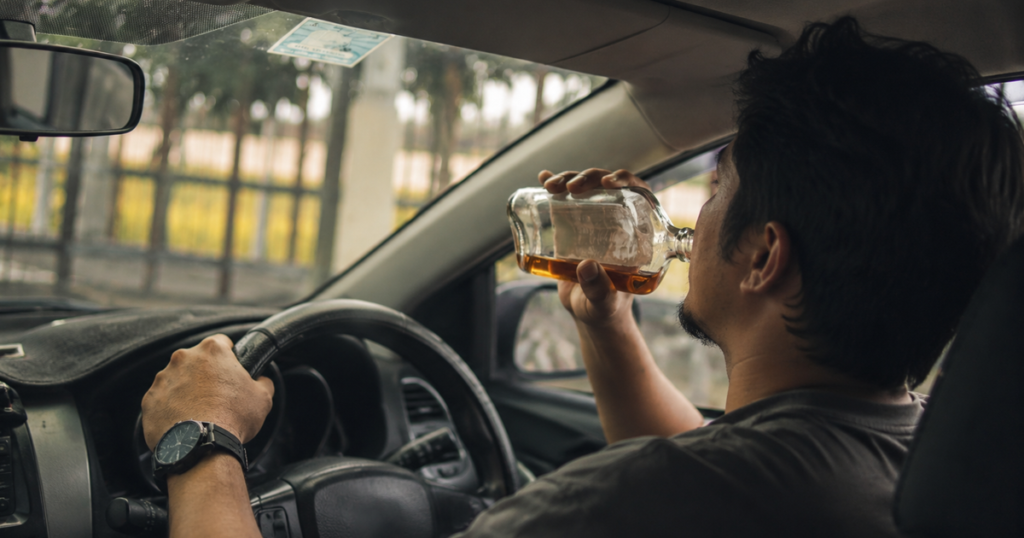
Drinking and driving has been a serious public safety issue for more than a century in the United States. While alcohol-related driving existed long before formal laws, it was not always clearly regulated in the way it is today. Over time, rising accident rates, public awareness, and legal reforms led to strict DUI laws across all states.
In cases involving alcohol-related crashes or disputed liability, victims often seek help from a Houston car accident lawyer to understand their legal rights and options after an accident.
Understanding when drinking and driving became illegal also helps explain how modern DUI enforcement works today. These laws continue to evolve as courts, lawmakers, and safety organizations work to reduce alcohol-related crashes and protect innocent drivers on the road.
What Is Drinking and Driving?
Drinking and driving refers to operating a motor vehicle after consuming alcohol in a way that impairs judgment, reaction time, and coordination. Even small amounts of alcohol can affect driving ability, depending on the person’s tolerance and body conditions.
Alcohol impairment reduces a driver’s ability to respond quickly and safely, which increases the risk of serious collisions. Because of these dangers, DUI laws were created to discourage and penalize unsafe driving behavior.
- Drinking and driving involves operating a vehicle after alcohol consumption. Alcohol affects the brain’s ability to make safe driving decisions and slows reaction time, making even simple driving tasks risky.
- Impairment varies from person to person. Even if someone feels “fine,” their motor skills and judgment may still be significantly affected.
- It increases crash risk significantly. Alcohol-related crashes often result in severe injuries or fatalities due to delayed reactions and poor control.
Early History of Drinking and Driving Laws
Early DUI laws began appearing in the early 1900s when automobiles became widespread. However, enforcement was limited and inconsistent.
- The first DUI laws appeared in the early 1900s.
- No scientific testing methods existed.
- Enforcement depended on visible impairment.
- Public awareness was very low.
When Did Drinking and Driving Become Illegal in the U.S.?
DUI laws became more structured in the mid-1900s and were strongly enforced by the 1980s.
- Most states adopted DUI laws by the mid-1900s.
- The 1980s brought strict reforms.
- BAC limits were standardized.
- Federal safety pressure increased enforcement.
How DUI Laws Became Strict Over Time
This section highlights reforms that made DUI enforcement stronger.
- Breathalyzer testing improved enforcement accuracy.
- Public awareness campaigns increased safety messaging.
- Stronger penalties were introduced.
- Repeat offenders faced felony charges.
What Is Drinking and Driving Today?
Today, drinking and driving is strictly prohibited in all 50 states and is considered a serious criminal offense. Modern DUI laws are highly enforced and supported by advanced testing methods.
Law enforcement officers can identify impairment through field sobriety tests, breathalyzers, and blood tests. Even small amounts of alcohol can lead to legal consequences depending on the driver’s condition.
- DUI laws are strictly enforced nationwide.
- Legal BAC limits are clearly defined.
- Penalties include fines, jail, and license suspension.
- Commercial drivers face even lower BAC limits.
- Zero tolerance applies in many situations.
Is Drinking and Driving a Felony?
Drinking and driving is not always a felony, but it can become one depending on the circumstances of the case. Factors such as repeat offenses or causing serious injury can elevate charges.
- First-time DUI is usually a misdemeanor. Most first offenses result in fines, probation, or short license suspension.
- Repeat offenses can become felonies. Multiple DUI convictions significantly increase legal consequences.
- Causing injury or death increases charges. DUI accidents involving harm often lead to felony prosecution.
- Child passengers can also worsen charges. Additional penalties apply when minors are involved.
How Many People Die From Drinking and Driving?
Drinking and driving continues to cause thousands of deaths each year in the United States. Despite strict laws, alcohol-related crashes remain a major public safety concern.
These accidents often involve high-speed impacts and reduced driver reaction times, leading to severe or fatal injuries.
- Thousands of fatalities occur annually.
- Alcohol is a leading cause of traffic deaths.
- Nighttime and weekend crashes are most common.
- Many victims are innocent passengers or pedestrians.
What Is the Legal Drinking and Driving Limit?
The legal blood alcohol concentration (BAC) limit in most U.S. states is 0.08%. This means a driver is considered legally impaired if their BAC reaches or exceeds this level.
- 0.08% BAC is the legal limit for most drivers.
- Commercial drivers have a lower limit (0.04%).
- Drivers under 21 have zero-tolerance laws.
- BAC is measured through breath, blood, or urine tests.
Even below the legal limit, impairment can still affect driving ability.
Legal Consequences of Drinking and Driving
Drinking and driving carries serious legal consequences that vary based on the severity of the offense. Courts treat DUI cases as major traffic violations due to the risk to public safety. In situations where victims are affected, consulting an MVA lawyer Houston can help in understanding how these legal consequences may impact liability and compensation claims.
- Heavy fines and court penalties.
- Driver’s license suspension or revocation.
- Mandatory DUI education programs.
- Possible jail time depending on severity.
- Increased insurance rates after conviction.
In situations where legal consequences impact your case, getting professional guidance early can make a difference.
What to Do After a Drunk Driving Accident
If you have been injured in a drunk driving accident, you have the right to be protected, supported, and fairly compensated for your losses. These cases often involve serious injuries and complex liability issues, but you do not have to handle them alone. Our role is to protect your interests and guide you through every step of the legal process.
- Call 911 and report the accident:
We rely on official police reports to establish what happened and identify signs of impairment. This documentation becomes a critical part of building a strong case on your behalf. - Seek medical attention immediately:
Your health is the top priority. We ensure that your medical records are properly documented and used to prove the extent of your injuries and the impact on your life. - Document the scene carefully:
We help gather and preserve key evidence such as photos, witness statements, and accident details to strengthen your claim and prevent disputes. - Avoid admitting fault:
We protect you from being unfairly blamed. Our team ensures that the fault is determined based on evidence, not statements made under stress or confusion. - Notify your insurance company:
We handle communication with insurance companies to prevent them from minimizing your claim or using your statements against you. - Consult a lawyer before settlement:
We review all settlement offers to ensure they reflect the true value of your injuries, damages, and long-term losses, so you are not pressured into accepting less than you deserve.
Many victims turn to a Houston car accident lawyer to ensure their rights are fully protected and to pursue the compensation they are entitled to after a serious DUI crash.
Role of Legal Representation in DUI Cases
Legal representation plays a crucial role in DUI-related accident cases. Attorneys help victims understand their rights and ensure fair compensation from insurance companies. They also guide victims through the legal process and provide clarity on how liability is established in drunk driving crashes under Texas law.
Drunk driving cases often involve complex investigations, and legal professionals can help gather evidence, prove liability, and protect victims from unfair settlement offers.
- Investigate accident circumstances: Attorneys review police reports, crash details, and witness statements to understand what exactly happened. This helps establish whether alcohol impairment directly contributed to the collision.
- Collect and preserve critical evidence: Evidence such as surveillance footage, BAC results, and accident scene photos is secured early. This ensures that important proof is not lost or altered during the investigation process.
- Handle insurance negotiations: Lawyers communicate directly with insurance companies to prevent lowball settlement offers. They ensure victims receive compensation that reflects medical costs and damages.
- Prove liability in DUI crash cases: Legal teams work to show that the drunk driver’s negligence caused the accident. This is essential for securing full financial recovery in personal injury claims.
- Represent clients in court if needed: If a fair settlement is not reached, attorneys take the case to trial. They present evidence and argue for maximum compensation on behalf of the victim.
Get Legal Help Today
If you or a loved one has been injured in a drunk driving accident, understanding your legal rights is essential. DUI cases can involve serious injuries, insurance disputes, and complex liability issues. Getting legal guidance early can help protect your claim and ensure you receive fair compensation for your losses. In such situations, contacting The Law Offices of Keivan S. Romero can help you better understand your options and take the right legal steps to protect your case.
Taking prompt action can make a critical difference in the outcome of your claim. Early legal involvement helps preserve evidence, strengthens your case, and prevents insurance companies from taking advantage of delays or lack of representation. With the right support, you can focus on recovery while your legal team works to secure the compensation you deserve.